Is floor insulation essential for energy efficiency in construction?
Is floor insulation essential for energy efficiency in construction?
As energy costs continue to rise, the quest for energy efficiency in construction has become paramount. Floor insulation is often overlooked when it comes to optimizing energy use in buildings. However, it plays a critical role in maintaining indoor temperatures and reducing heating and cooling costs.
Understanding Floor Insulation
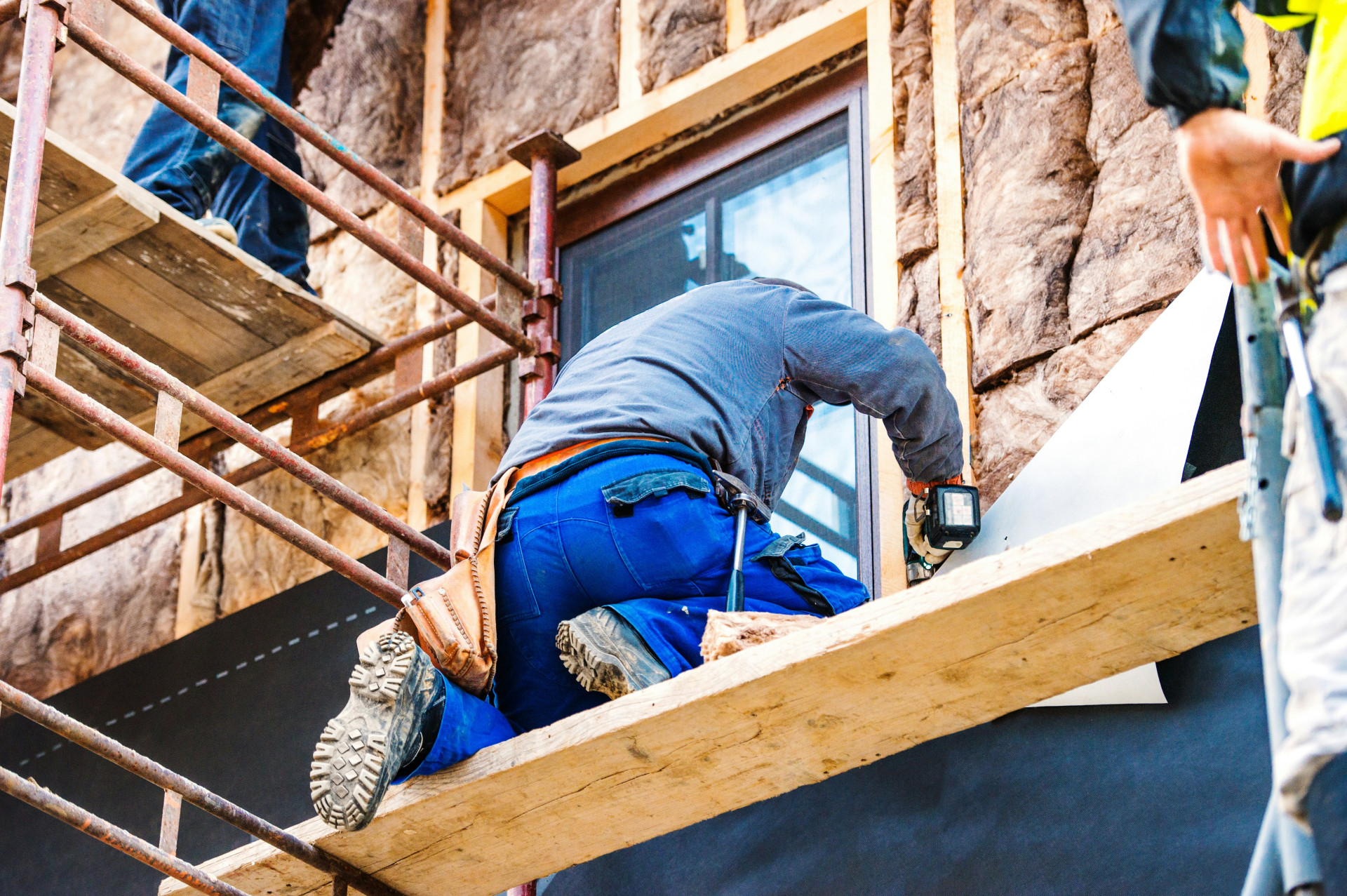
Floor insulation is a material used to reduce the rate of heat transfer through floors. It can be installed in various types of construction, including residential, commercial, and industrial buildings. Common materials used for floor insulation include batts, boards, and spray foam.
Benefits of Floor Insulation
One of the primary benefits of floor insulation is improved energy efficiency. Properly insulated floors help to maintain a comfortable indoor temperature by minimizing the exchange of heat with the environment.
In winter, insulated floors retain heat, whereas in summer, they prevent excess heat from penetrating indoors. This creates a more stable climate within the building, making it easier to heat or cool spaces effectively.
Impact on Energy Costs
Incorporating floor insulation can lead to significant reductions in energy bills. According to studies, buildings with insulated floors can reduce heating costs by up to 15% or more. This is particularly important in regions with extreme temperatures.
By insulating floors, homeowners and businesses can reduce their reliance on heating systems, which not only saves money but also decreases the carbon footprint associated with energy use.
Types of Floor Insulation
Several types of insulation materials can be used specifically for floors. Here are some common options:
- Fiberglass Batts: These are cost-effective and widely used in residential constructions.
- Foam Boards: Providing excellent thermal resistance, these are often used in commercial settings.
- Spray Foam: This versatile insulation can be used in hard-to-reach areas, providing an airtight seal.
- Mineral Wool: Known for its fire-resistant properties, mineral wool is also an effective insulator.
Choosing the right type of insulation depends on various factors, including the buildings design, climate, and budget.
Installation Considerations
Successful insulation installation requires careful planning. Homeowners and builders must take into account the type of building, existing structures, and local building codes.
It is essential to ensure an airtight installation. Even small gaps can lead to significant heat loss, negating the benefits of insulation. Professional installation is often recommended to ensure that all aspects are correctly addressed.
Long-Term Benefits and Sustainability
Investing in floor insulation not only brings immediate energy savings but also adds long-term value to a property. Energy-efficient buildings are often more attractive to buyers, resulting in higher resale values.
Moreover, enhanced energy efficiency contributes to sustainability efforts. By reducing the overall energy consumption of a building, floor insulation plays a part in decreasing greenhouse gas emissions associated with conventional energy sources.
Legal and Financial Incentives
Many regions offer financial incentives for energy-efficient upgrades, including floor insulation. Homeowners may be eligible for tax credits, rebates, or grants, making the initial investment more feasible.
Additionally, there are legal mandates in certain jurisdictions that require minimum energy performance standards, giving additional motivation for builders to include proper insulation in their designs.
In summary, floor insulation is a significant but often underestimated component of energy-efficient construction. By understanding its benefits, types, installation processes, and long-term advantages, stakeholders can make informed decisions that support both economic and environmental goals.