Choosing Roof Tiles Wisely: Balancing Aesthetics, Function and Maintenance

Choosing Roof Tiles Wisely: Balancing Aesthetics, Function and Maintenance
The roof is one of the most defining and essential parts of any home – both visually and practically. It shields the property from the elements, influences energy efficiency, and plays a major role in the overall character of the building. Choosing the right roof tiles is therefore not just a matter of taste, but also of durability, maintenance, and long-term value. Here’s how to strike the right balance between aesthetics, function, and practicality when selecting a roof for your home in the UK.
Aesthetics: The Roof as a Statement Piece
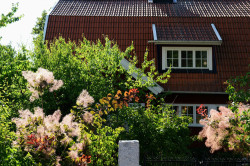
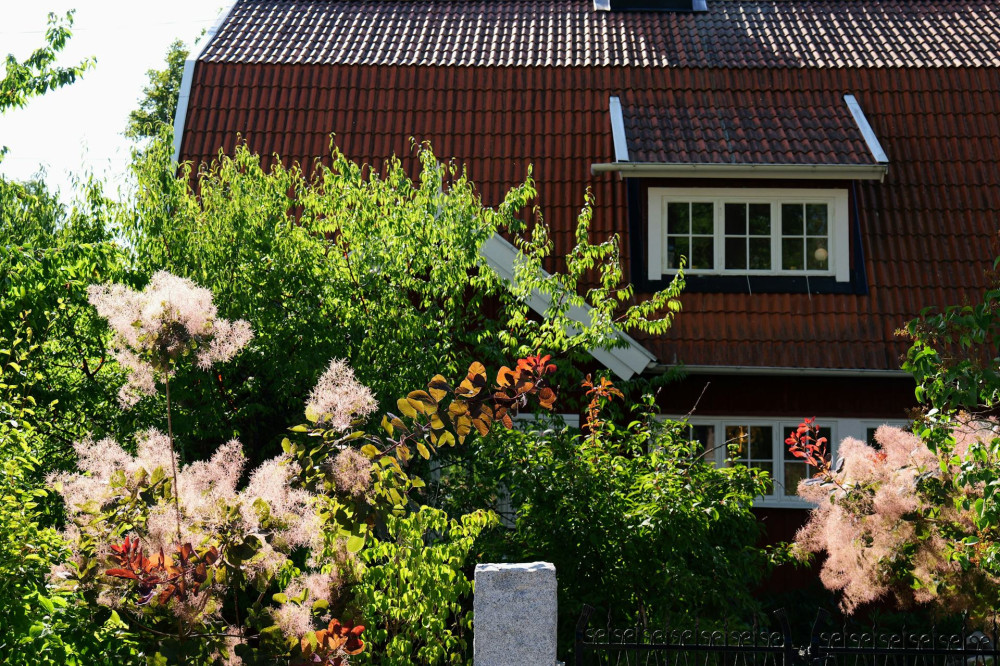
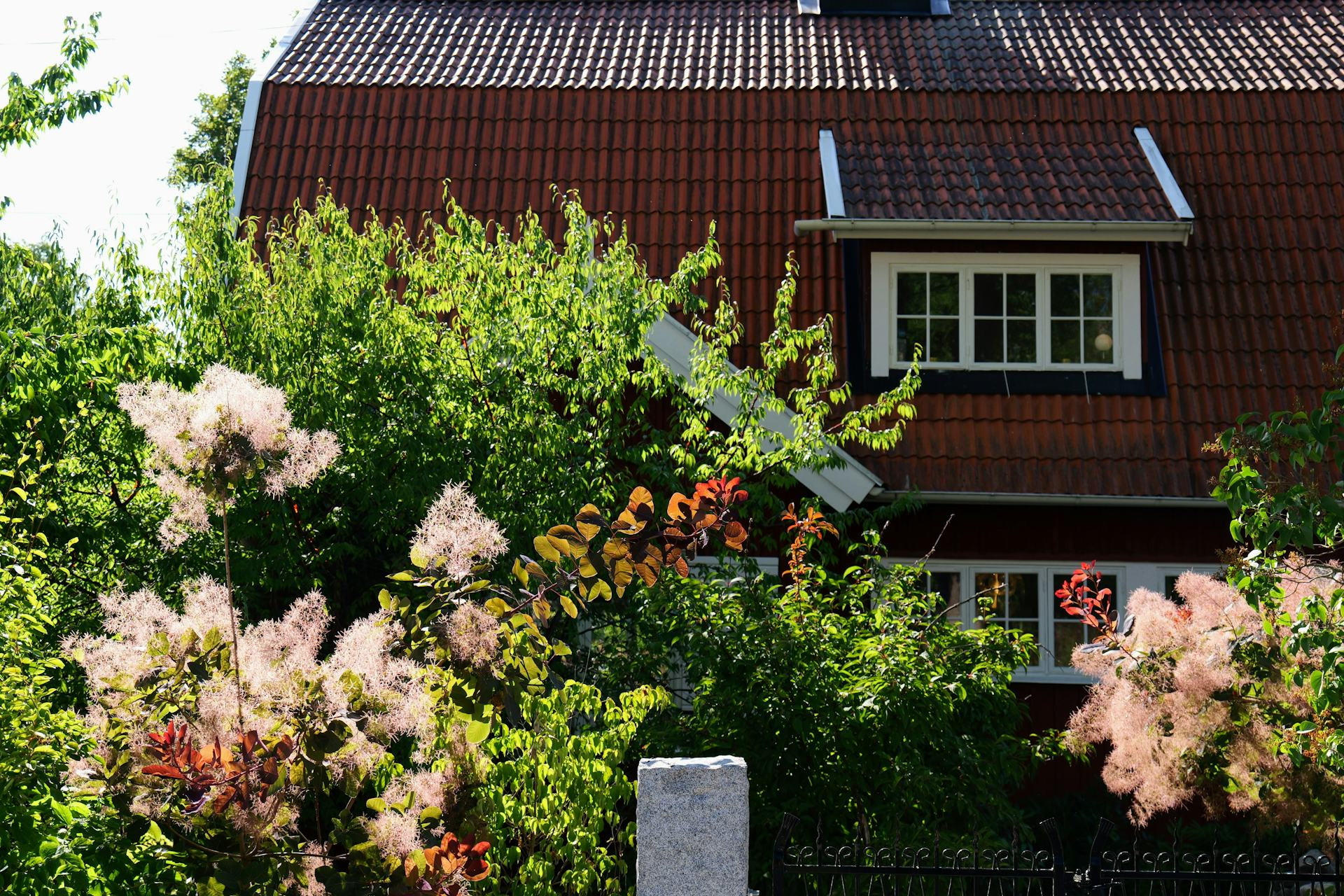
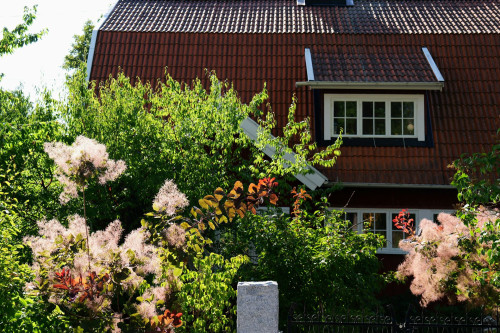
A roof can account for up to a third of a home’s visible exterior, making it a key element in its appearance. Traditional red clay tiles evoke warmth and heritage, while slate offers a timeless, elegant look that suits both period and contemporary homes. Concrete tiles can mimic the appearance of natural materials at a lower cost, and metal roofing can lend a sleek, modern edge. Green or living roofs, increasingly popular in urban areas, soften the building’s outline and blend it into the landscape.
When choosing roof tiles, consider the architectural style of your property and the local surroundings. A Victorian terrace or a cottage in the Cotswolds will typically suit natural slate or clay tiles, while a modern new-build might look best with flat concrete or metal tiles. It’s also important to check local planning regulations and conservation area guidelines, as many councils restrict the types and colours of roofing materials allowed.
Function: Built for the British Climate
A roof must do more than look good – it needs to perform well in the UK’s varied and often unpredictable weather. From heavy rain and strong winds to frost and occasional heatwaves, roofing materials must be watertight, durable, and properly installed.
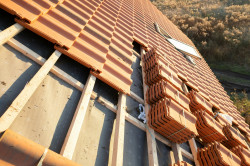
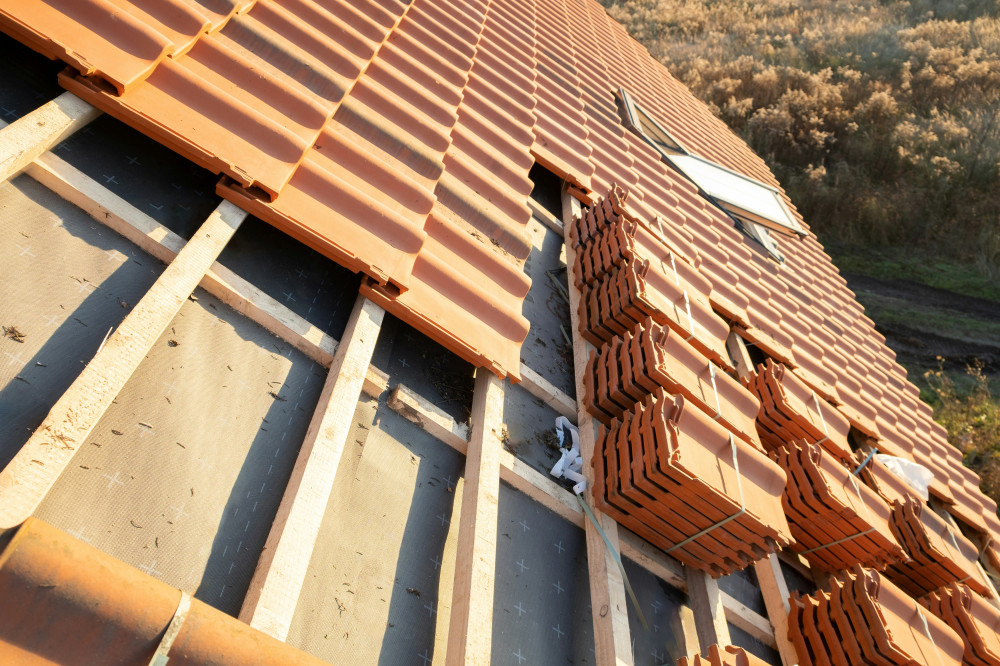
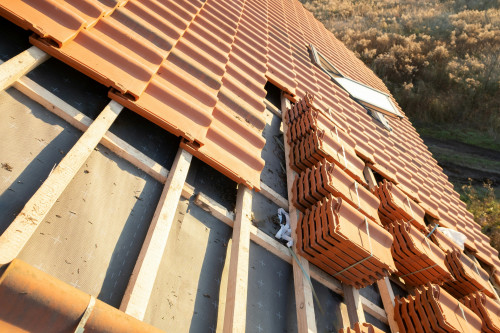
- Clay and concrete tiles are robust and long-lasting, ideal for pitched roofs and capable of withstanding high winds when properly fixed.
- Natural slate is highly durable and offers excellent weather resistance, though it comes at a higher cost.
- Metal roofing (such as steel or zinc) is lightweight and suitable for both new builds and refurbishments, especially where structural load is a concern.
- Bitumen or felt roofing is common on flat roofs but requires expert installation to prevent leaks.
- Green roofs provide insulation and help manage rainwater runoff, though they require a suitable waterproof membrane beneath.
Insulation and ventilation are also key considerations. A well-insulated roof reduces heat loss in winter and prevents overheating in summer, improving comfort and lowering energy bills. Lighter-coloured tiles can reflect sunlight, while darker ones absorb heat – something to bear in mind depending on your home’s orientation and location.
Maintenance: Thinking Long-Term
A beautiful roof is only an asset if it stays that way. Maintenance needs vary widely between materials, and understanding these differences can save time and money in the long run.
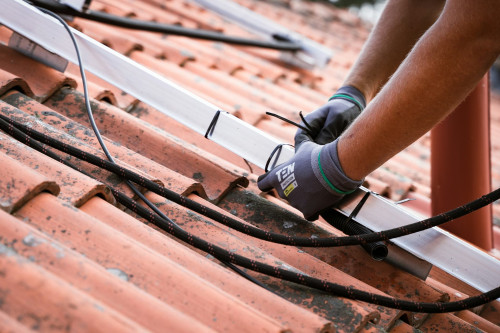
- Clay and concrete tiles may need occasional cleaning to remove moss and algae but can last 50–100 years.
- Slate requires minimal upkeep and can last over a century if properly installed.
- Metal roofs are largely maintenance-free but should be checked periodically for scratches or corrosion.
- Bitumen roofs typically last 20–30 years and should be inspected for cracks or pooling water.
- Green roofs need seasonal care to manage vegetation and drainage but protect the underlying structure from UV and temperature extremes.
Factoring maintenance into your decision early on can make life easier later. If you prefer a low-maintenance home, investing in a durable, long-lasting material may be worth the higher initial cost.
Læs også:

Cost and Sustainability
The cost of a new roof depends on the material, roof size, and complexity of the design. Slate and clay tiles are premium options, while concrete and metal are often more affordable. However, it’s wise to consider the total cost of ownership: a more expensive roof with a longer lifespan and lower maintenance can be the most economical choice over time.
Sustainability is also becoming a key factor in roofing decisions. Many manufacturers now offer recycled or recyclable materials, and energy-efficient production methods are increasingly common. Green roofs and solar tiles can further enhance a home’s environmental performance, contributing to better rainwater management and reduced carbon footprint.
The Right Choice Is an Informed One
There’s no single “best” roof for every home. The ideal choice depends on your property’s style, your budget, and how much maintenance you’re willing to undertake. Take time to explore your options, consult roofing professionals, and consider both the aesthetic and practical aspects. A well-chosen roof not only protects your home for decades but also enhances its character and value.
A roof is more than just a covering – it’s an investment in comfort, appearance, and long-term durability.
Læs også: