Fault in your gas boiler? Learn to spot and respond to warning signs in time

Fault in your gas boiler? Learn to spot and respond to warning signs in time
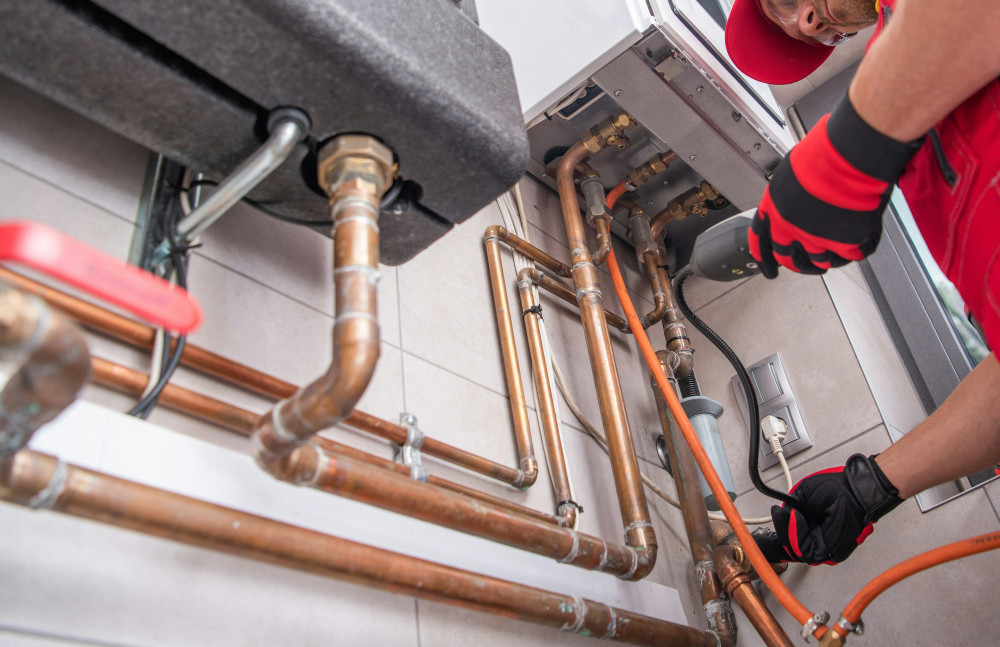
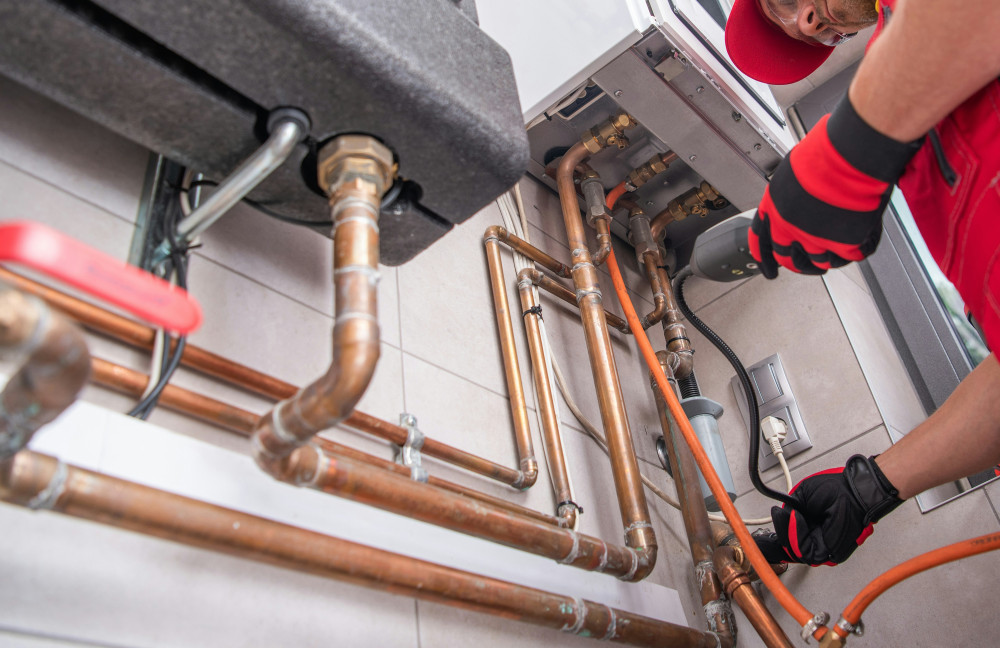
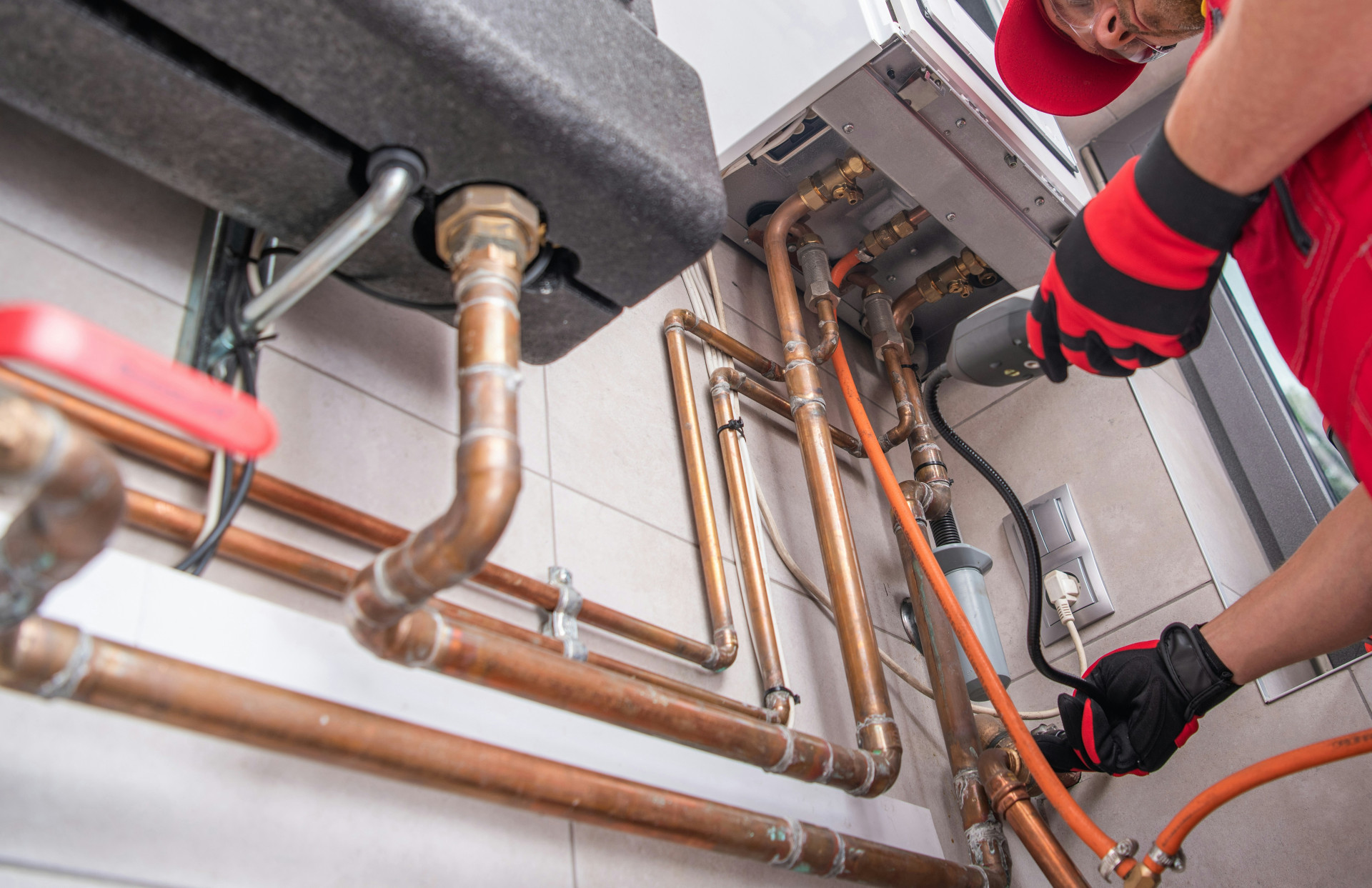
For most UK households, the gas boiler is the heart of the home’s heating system – providing warmth and hot water all year round. But like any piece of equipment, it can develop faults that lead to poor performance, higher energy bills, or even safety risks. Recognising the early warning signs and knowing how to respond can save you both money and trouble. Here’s how to spot and deal with boiler issues before they become serious.
Recognise the common warning signs
A gas boiler rarely fails overnight. More often, it gives subtle hints that something isn’t quite right. Keep an eye out for these signs:
- Uneven heating – if some rooms are cold while others are warm, there may be air in the system, a circulation problem, or a faulty pump.
- Unusual noises – banging, gurgling, or whistling sounds can indicate limescale build-up, trapped air, or worn components.
- Frequent resets – a boiler that keeps switching off and on may have issues with pressure, the thermostat, or the gas supply.
- Low pressure – if the pressure gauge keeps dropping below 1 bar, there could be a leak somewhere in the system.
- Unstable flame – the flame should burn steadily and blue. A yellow or flickering flame can signal poor combustion and needs immediate attention.
These symptoms don’t always mean your boiler is about to fail, but they should never be ignored. Acting early can prevent costly repairs later.
Safety first – never take risks
Natural gas is efficient but potentially dangerous if something goes wrong. If you ever smell gas, you must:
- Turn off the boiler and open doors and windows.
- Avoid using electrical switches, lights, or naked flames.
- Leave the property immediately.
- Call the National Gas Emergency Service on 0800 111 999 from outside the building.
Never try to fix a gas leak yourself. Only a Gas Safe registered engineer is legally allowed to work on gas appliances in the UK.
Læs også:
When the boiler won’t start – check the basics
If your boiler suddenly stops working, the cause might be simple. Before calling for help, check:
- Power supply – make sure the boiler is plugged in and the fuse hasn’t blown.
- Gas supply – check that the gas valve is open and other gas appliances are working.
- System pressure – most boilers need around 1–1.5 bar to operate correctly.
- Thermostat settings – ensure the thermostat is set correctly and the batteries are working.
If everything seems fine but the boiler still won’t fire up, contact a qualified engineer. It’s unsafe and illegal to open or repair a gas boiler yourself.
Prevention through regular servicing
A gas boiler needs regular maintenance to stay efficient and safe. Most manufacturers recommend an annual service carried out by a Gas Safe registered engineer. During a service, the engineer will:
- Clean the burner and heat exchanger.
- Check combustion and adjust gas flow if needed.
- Test safety devices and pressure relief valves.
- Measure emissions and efficiency.
Regular servicing extends your boiler’s lifespan, reduces the risk of breakdowns, and ensures it runs efficiently – saving you money on gas bills. It may also be required to keep your warranty valid.
When it’s time to replace your boiler
Even the best-maintained boiler won’t last forever. After 10–15 years, efficiency tends to drop, and repairs can become more frequent and expensive. If you notice rising energy bills, recurring faults, or difficulty keeping your home warm, it might be time to consider a replacement.
Modern condensing boilers are far more efficient and environmentally friendly. Alternatively, you could explore a hybrid system that combines a gas boiler with a heat pump – a future-proof solution that reduces both emissions and running costs.
Keep an eye on your system
Your boiler may run quietly in the background, but a little attention goes a long way. Check the pressure regularly, listen for unusual noises, and watch for changes in heating performance or gas usage. By spotting the small signs early, you can prevent major problems – keeping your home warm, safe, and energy-efficient all year round.
Læs også: