Paint with Shadow Effects – Create Depth and Character on Your Walls

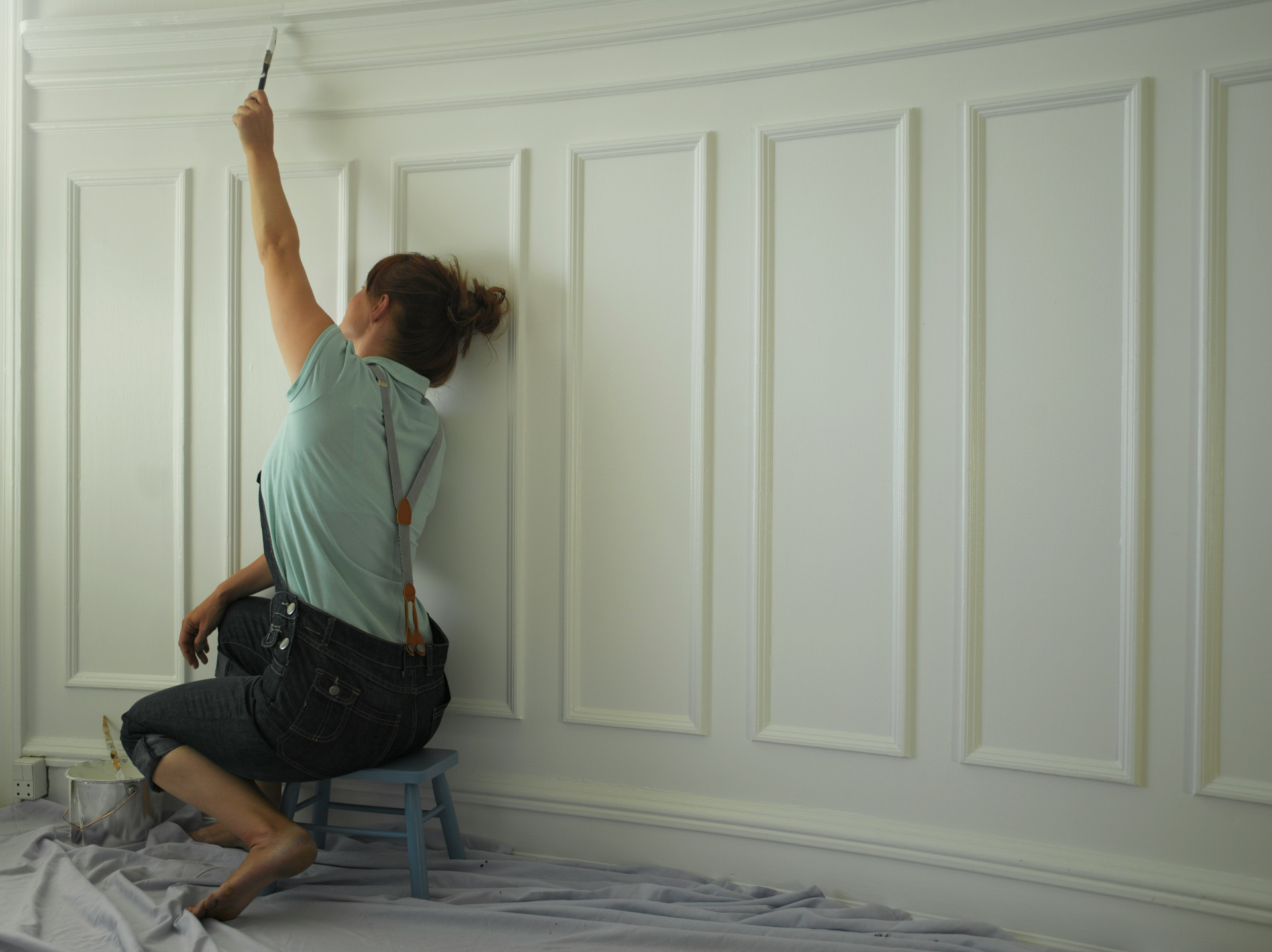
Paint with Shadow Effects – Create Depth and Character on Your Walls
A wall doesn’t have to be a single flat colour to look beautiful. With shadow effects, you can bring life, depth, and personality into a room – no artistic background required. The technique is all about playing with light, colour, and contrast to create a more dynamic surface. From subtle tone-on-tone transitions to bold contrasts that mimic texture or movement, shadow painting can completely transform your space. Here’s how to get started and make your walls come alive.
What Are Shadow Effects?
Shadow effects are a painting technique that uses several shades of the same colour – or contrasting colours – to create the illusion of depth. It’s inspired by the way natural light falls on a surface: some areas appear lighter, others darker. When you recreate that effect on your wall, the result feels both calm and full of character.
You can use the technique across an entire room, on a single feature wall, or as a backdrop for furniture or artwork. It works especially well in spaces where you want warmth and individuality – such as the living room, bedroom, or hallway.
Læs også:

Choosing the Right Colours
Your choice of colour will determine how the shadow effect is perceived. A good rule of thumb is to pick two or three shades of the same colour, with only a gentle difference between them. This creates a harmonious and natural look.
- Soft transitions: Try tones within the same family – for example, sage green, olive, and deep moss.
- Bold contrasts: Pair light beige with dark brown, or pale blue with navy.
- Light and shadow: Consider how daylight moves through the room. A darker tone in corners or behind furniture can create a natural shadow effect.
If you’re unsure, paint small test patches on the wall and observe them throughout the day. The changing light will have a big impact on the final result.
Step-by-Step Guide
Painting with shadow effects takes a bit of patience, but it’s easy to learn. Here’s a simple method to follow:
- Prepare the wall. Make sure the surface is clean, dry, and smooth. Fill any holes and apply a base coat in the lightest shade.
- Plan your transitions. Lightly mark where you want the darker areas to appear – perhaps in corners, behind a sofa, or as a soft gradient across the wall.
- Apply the darker shade. Use a wide brush or sponge and work in circular motions to create a soft transition.
- Blend the colours. While the paint is still wet, use a dry brush or cloth to blur the edges between shades.
- Refine the look. Once dry, you can add more depth by repeating the process in selected areas.
For a more rustic or textured finish, try a sponge technique or dry brushing, where you apply very little paint at a time to build up layers gradually.
Style Inspiration
Shadow effects can suit many different interior styles. Here are a few ideas:
- Scandinavian calm: Use light, muted tones such as sand, grey, and white. Keep the shadows subtle – just enough to mimic natural light.
- Bohemian warmth: Combine terracotta, ochre, and burnt orange for a sun-kissed, earthy feel.
- Modern contrast: Create graphic shadows with sharp transitions between light and dark – think charcoal and grey, or navy and white.
- Vintage charm: Use chalk paint and let the brushstrokes show. The matte finish adds a sense of age and texture.
Tips for a Beautiful Finish
- Work on small sections at a time so the paint stays wet enough to blend.
- Use soft brushes or sponges – stiff tools can leave harsh lines.
- Remember that less is often more. A gentle shadow can look more elegant than a strong contrast.
- Practise first on a piece of cardboard or spare wall to get a feel for the technique.
Once you’ve tried it, you’ll see how much creative freedom comes from working with light and shade. It’s a simple way to give your walls personality without overwhelming the space.
A Room with Depth and Life
Shadow effects are about more than just colour – they’re about atmosphere. They can make a room feel larger, cosier, or more tranquil, depending on how you use them. It’s a technique that invites experimentation and can turn even the plainest wall into a living part of your home’s design.
So next time you pick up a paintbrush, consider adding a touch of shadow. With a few thoughtful strokes, you can create a home that feels both personal and harmonious – a place where light tells its own story.
Læs også: