White Spots on Surfaces: How to Identify the Cause and Prevent Them in Future

White Spots on Surfaces: How to Identify the Cause and Prevent Them in Future
White spots can appear on many household surfaces – from bathroom tiles and wooden furniture to metal fittings and painted walls. They may look harmless, but they often signal issues such as limescale, moisture, or chemical reactions. To remove them effectively – and stop them from coming back – it’s important to understand what’s causing them. Here’s a guide to identifying the most common types of white spots and how to prevent them in future.
White spots in the bathroom – usually limescale or soap residue
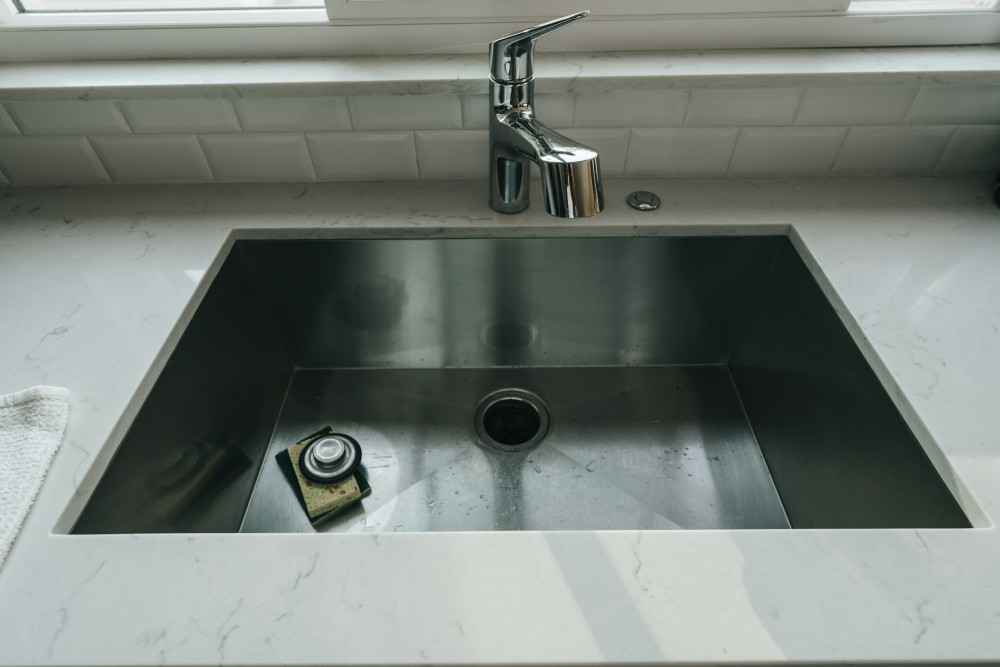
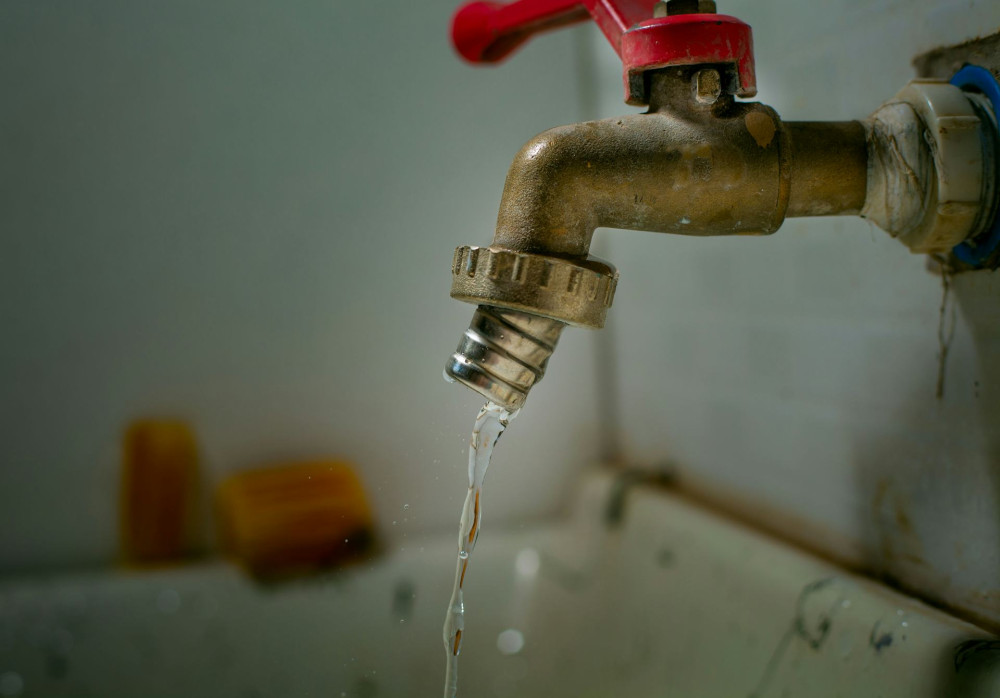
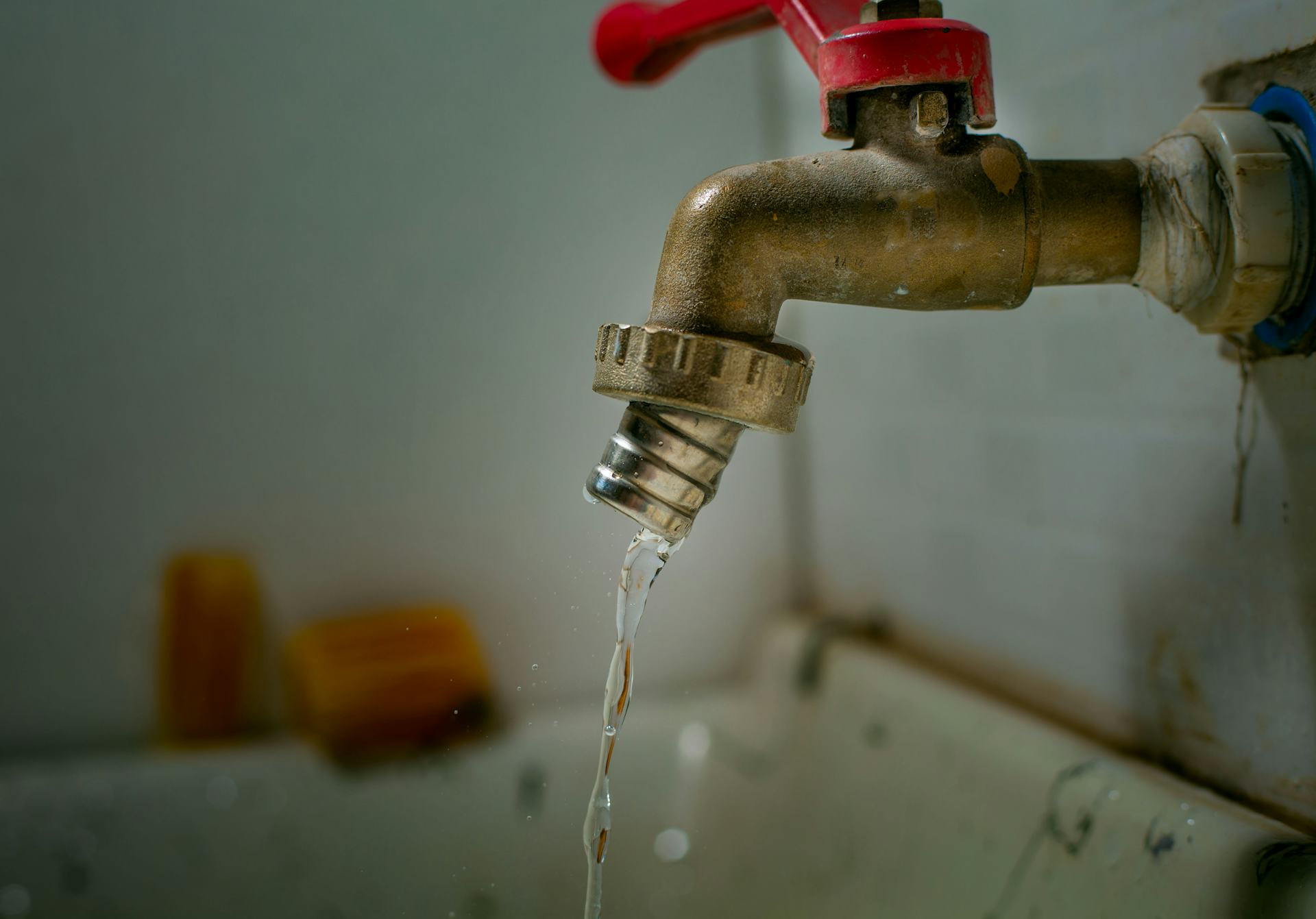
In bathrooms, white spots are most often caused by limescale deposits from hard water. When water evaporates, it leaves behind calcium and magnesium salts that form dull, chalky marks on tiles, taps, and shower screens.
How to remove them:
- Mix equal parts white vinegar and water, and apply it to the affected area.
- Leave it for a few minutes, then wipe with a soft cloth.
- Avoid abrasive cleaners or scouring pads, as they can scratch the surface.
Prevention: Wipe down surfaces after showers and use a squeegee on glass and tiles. If you live in a hard-water area – common in parts of southern and eastern England – consider installing a water softener or a magnetic descaler to reduce limescale build-up.
White spots on wood – caused by moisture or heat
When white marks appear on wooden furniture or worktops, they’re often the result of moisture or heat penetrating the finish. They usually show up as cloudy, milky patches left by hot mugs, vases, or damp items.
How to remove them:
- Start by rubbing the area gently with a soft cloth and a small amount of furniture oil or mayonnaise.
- If that doesn’t work, place a clean tea towel over the mark and run a warm iron over it for a few seconds at a time. The gentle heat can help draw out trapped moisture.
- Repeat as needed, then reapply oil or wax to restore the finish.
Prevention: Always use coasters and mats under hot or wet objects, and make sure wooden surfaces are properly sealed with oil, varnish, or wax to protect against moisture.
Læs også:
White spots on metal – corrosion or limescale
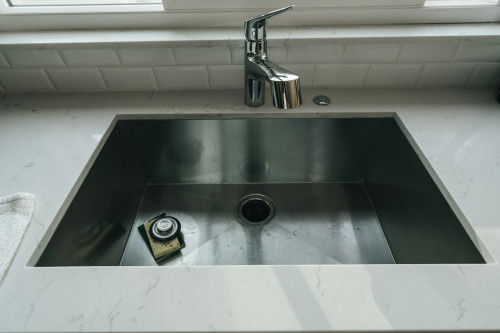
On metal surfaces, especially in kitchens and bathrooms, white spots can be a sign of corrosion or limescale. Aluminium and zinc can develop a white oxide layer, while stainless steel may show limescale marks if not dried properly.
How to remove them:
- For limescale, use a mild vinegar solution.
- For oxidation on aluminium, make a paste of bicarbonate of soda and water, and rub gently with a soft cloth.
- Rinse and dry thoroughly afterwards to prevent new marks.
Prevention: Keep metal surfaces dry and avoid leaving standing water. A quick wipe after use can make a big difference.
White spots on walls and ceilings – moisture or salt deposits
If you notice white patches on walls, especially in basements or bathrooms, they may be salt deposits (known as efflorescence). This happens when moisture moves through brick or plaster and leaves salts behind as it evaporates.
How to remove them:
- Brush away the dry salt deposits with a stiff brush.
- Avoid washing with water, as it can dissolve the salts and draw them deeper into the wall.
- Investigate and fix the source of moisture – such as leaking pipes, poor ventilation, or damaged pointing.
Prevention: Ensure good ventilation in damp areas and check regularly for signs of water ingress. A dehumidifier can help in basements or bathrooms with limited airflow.
When white spots keep coming back
If white spots reappear after cleaning, it’s a sign that the underlying problem hasn’t been solved. Persistent limescale points to hard water, while recurring damp patches suggest ventilation or waterproofing issues.
In such cases, it’s worth consulting a professional – especially if you suspect damp in walls or ceilings. Early intervention can prevent structural damage and mould growth.
Simple habits that make a difference
Most white spots can be avoided with a few easy habits:
- Wipe down surfaces after use, especially in bathrooms and kitchens.
- Keep rooms well ventilated to reduce humidity.
- Maintain wood and metal with appropriate oils or waxes.
- Watch for early signs of moisture or limescale build-up.
By acting quickly and understanding what’s behind those white marks, you can keep your home looking its best – and avoid bigger problems down the line.
Læs også: