Get Employees to Take Responsibility for the Condition of the Machines


Get Employees to Take Responsibility for the Condition of the Machines
When machines run smoothly, work flows better, production becomes more reliable, and the risk of costly breakdowns drops significantly. Yet in many British manufacturing and engineering firms, it’s still mainly technicians or maintenance teams who feel responsible for the condition of the equipment. That’s a missed opportunity – because the people who operate the machines every day play a crucial role in keeping them in top shape. Here’s how you can build a culture where everyone takes responsibility for the performance and maintenance of your machinery.
Help Everyone Understand Why It Matters
The first step is to make it clear that machine condition isn’t just a technical issue – it’s a shared concern. When employees understand that well-maintained machines mean fewer stoppages, safer working conditions, and better product quality, it becomes easier to engage them.
Use real examples from your own site: How many hours were lost last year due to unexpected breakdowns? What did those stoppages cost in repairs and missed deadlines? When the numbers are visible, the importance of shared responsibility becomes tangible.
Make Maintenance Part of the Daily Routine
Maintenance shouldn’t only happen when something goes wrong. It should be a natural part of everyday work. Simple checklists, visual inspection rounds, and regular cleaning or lubrication routines can make a big difference.
- Introduce daily checks – quick inspections of oil levels, pressure, temperature, or unusual noises take just a few minutes but can prevent major issues.
- Use boards or digital tools – make it visible who is responsible for each day’s machine checks and when they’ve been completed.
- Make fault reporting easy – a quick message to the maintenance team or a simple digital form ensures that small issues don’t get forgotten.
When maintenance becomes part of the normal workflow, it stops feeling like “extra work”.
Give Employees Knowledge and Ownership
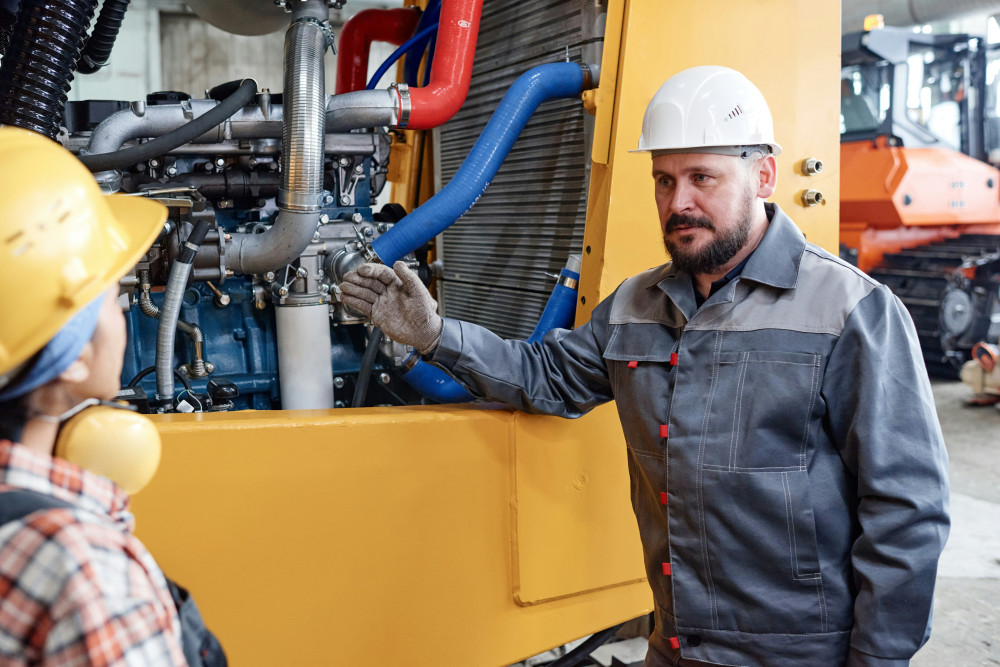
People can’t take responsibility for something they don’t understand. Training and knowledge-sharing are therefore essential. Give operators insight into how the machines work and what happens when they’re not properly maintained.
Short, focused training sessions can help staff recognise early signs of wear or malfunction – such as changes in vibration, sound, or product quality. When employees can spot problems early, they become active participants in maintenance rather than just users of the equipment.
Recognise and Reward the Effort
If you want employees to take responsibility, you need to show that their efforts are valued. Acknowledge those who go the extra mile to keep machines in good condition. This could be through praise at team meetings, small rewards, or simply by highlighting good examples.
When people see that their actions make a difference – both to production and to their colleagues – motivation grows naturally.
Læs også:
Encourage Collaboration Between Operations and Maintenance
In many workplaces, there’s an invisible divide between operations and maintenance. Operators run the machines, while technicians fix them. But the best results come when the two groups work closely together.
Invite maintenance staff to production meetings, and let operators take part in planned service checks. This builds mutual understanding and smoother communication. When everyone sees themselves as part of the same process, responsibility becomes shared.
Use Data to Drive Engagement
Modern machinery and sensors provide a wealth of data on performance, stoppages, and faults. Use that data actively. Show how small behavioural changes – such as regular cleaning or correct start-up procedures – can be seen directly in the performance figures.
When employees can track improvements and see that their actions lead to fewer stoppages and higher uptime, motivation becomes concrete. Data can be a powerful tool for both learning and engagement.
A Culture That Pays Off
Getting employees to take responsibility for the condition of the machines is ultimately about culture. It requires leadership support, clear communication, and consistent focus. But the rewards are significant: fewer breakdowns, higher productivity, and a workplace where everyone feels part of the solution.
When the machines run well, the whole operation runs better – and that’s something everyone can take pride in.
Læs også: