Moving Equipment from A to Z – Tools That Make Moving Easier


Moving Equipment from A to Z – Tools That Make Moving Easier
Moving house can be both exciting and exhausting. Whether you’re relocating to a new flat in London or a cottage in the countryside, it takes planning, organisation, and the right equipment. With the proper tools, you can save time, avoid injuries, and make the whole process far more manageable. Here’s your A-to-Z guide to moving equipment that will help you get off to a smooth start.
A – Adhesive tape and archive boxes
Strong adhesive tape is essential for sealing boxes securely and keeping drawers or cupboard doors shut during transport. Archive boxes are perfect for documents, files, and paperwork you want to keep organised and protected.
B – Bubble wrap and blankets
Bubble wrap is your best friend when packing fragile items like glassware, ceramics, and electronics. It cushions against knocks and scratches. Blankets or moving pads protect furniture from damage and can also be used to slide heavy items across floors.
C – Checklists and cable ties
A checklist keeps you on track – from notifying your utility providers to redirecting your post. Cable ties are handy for bundling cords, securing bags, or keeping loose items together.
D – Dolly and dust sheets
A dolly (a small wheeled platform) makes it easy to move heavy boxes and furniture without straining your back. Dust sheets protect carpets and floors from dirt and scuffs while you move.
E – Elastic straps and extension leads
Elastic straps or bungee cords help keep items in place in the van. Extension leads are useful when you’re cleaning or setting up electronics in your new home before everything is unpacked.
F – Furniture sliders and flat-pack tools
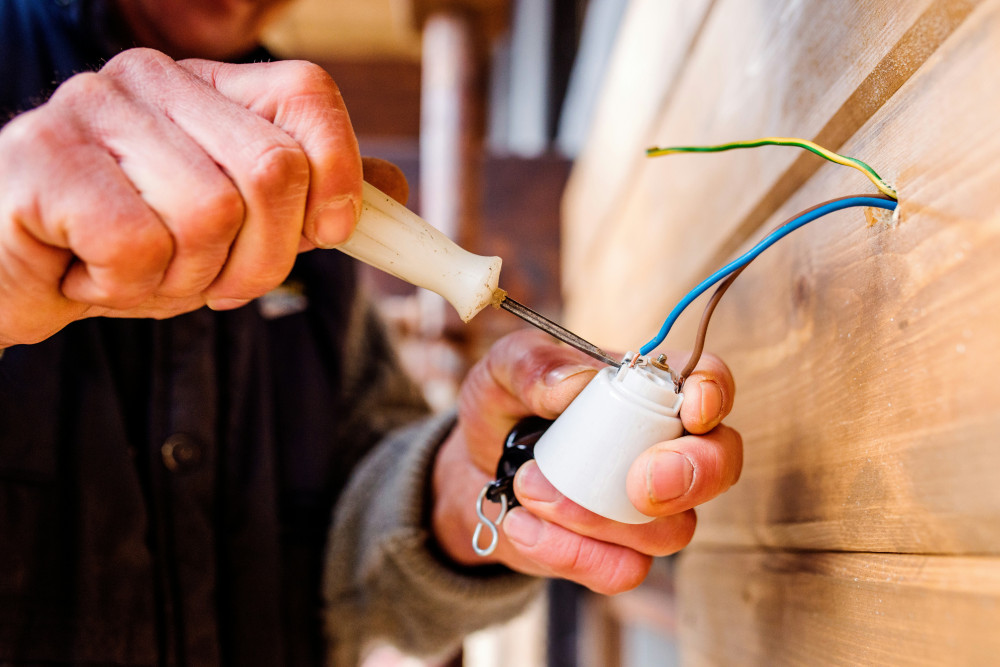
Furniture sliders make it easier to move heavy pieces without scratching floors. Keep a small set of flat-pack tools – screwdrivers, Allen keys, and a hammer – for assembling or disassembling furniture.
G – Gloves and garment boxes
A sturdy pair of gloves protects your hands from splinters and sharp edges. Garment boxes with hanging rails let you move clothes straight from wardrobe to wardrobe without creasing them.
H – Hand truck and heavy-duty tape
A hand truck (or sack barrow) is invaluable for moving multiple boxes or large appliances. Heavy-duty tape ensures your boxes stay sealed even under weight.
I – Inventory list and insulating wrap
An inventory list helps you keep track of everything, especially if you’re using a removals company. Insulating wrap or foam sheets are ideal for protecting mirrors, picture frames, and screens.
J – Jiffy bags and joiner’s tools
Use Jiffy bags for small, delicate items like jewellery or electronics accessories. A few joiner’s tools – such as a small saw or pliers – can come in handy for quick fixes.
K – Knife and keyring
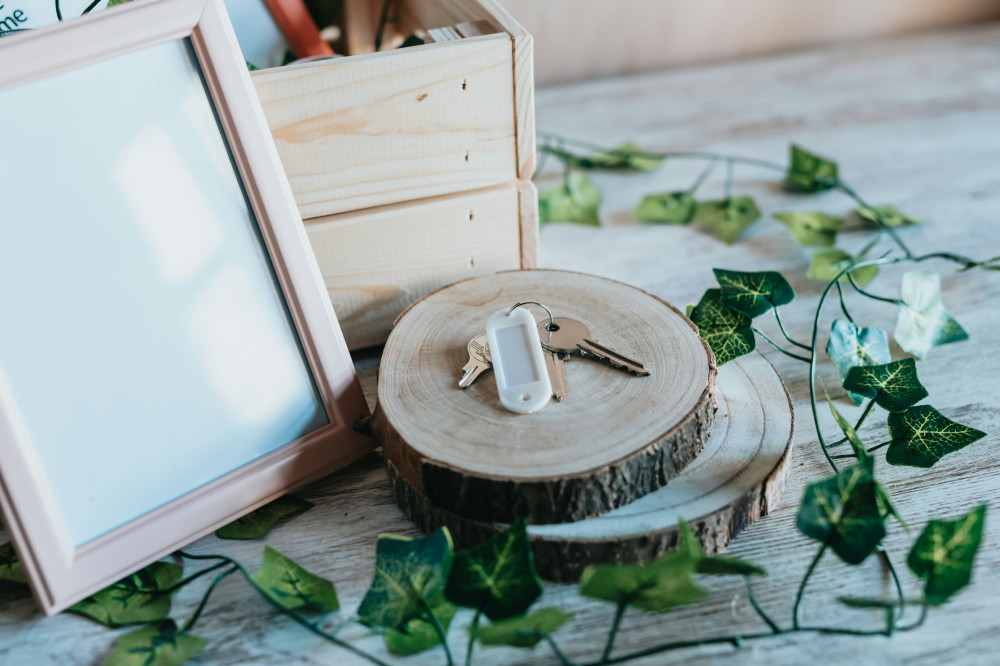
A utility knife makes opening boxes quick and easy, but use it carefully to avoid damaging contents. Keep all your keys – for your old and new home – on one keyring so nothing gets lost in the chaos.
Læs også:

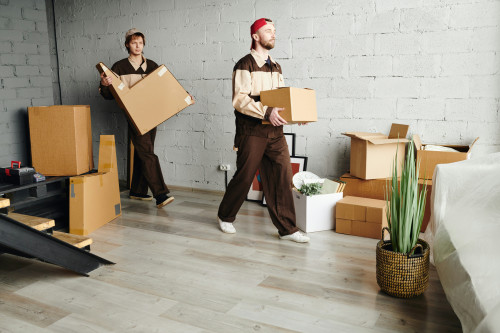


L – Labels and lifting straps
Labels are essential for marking boxes with their contents and destination room. Lifting straps help distribute weight evenly when carrying heavy furniture, reducing strain on your back.
M – Measuring tape and marker pens
A measuring tape ensures your furniture fits through doors and into its new space. Marker pens in bold colours make it easy to label boxes clearly.
N – Notepad and nuts & bolts bag
A notepad is useful for jotting down reminders, measurements, or contact details. Keep a small bag for nuts and bolts from dismantled furniture so you don’t lose any parts.
O – Old towels and overalls
Old towels can be used for padding, cleaning, or wrapping fragile items. Wear overalls or comfortable clothes that can handle a bit of dust and lifting.
P – Packing paper and plastic wrap
Packing paper is great for wrapping dishes and filling gaps in boxes. Plastic wrap keeps drawers and cupboard doors closed and protects furniture from moisture.
Q – Quick-fix kit
A quick-fix kit with basic tools, screws, and tape can solve small problems on moving day – from tightening a loose leg to hanging a curtain rail.
R – Rope and rubbish bags
Rope or strong cord can secure large items in the van. Rubbish bags are essential for decluttering before and after the move.
S – Screwdrivers and straps
A set of screwdrivers is indispensable for taking furniture apart or reassembling it. Straps keep furniture and boxes stable during transport.
T – Trolley and torch
A trolley helps move multiple boxes at once, saving time and effort. A torch is handy for checking cupboards or lofts when light is limited.
U – Utility box and umbrella
Keep a utility box with essentials – scissors, tape, cleaning supplies, and snacks – so you don’t have to unpack everything at once. And don’t forget an umbrella – British weather can be unpredictable on moving day!
V – Van hire and vacuum bags
If you’re doing the move yourself, van hire can be a cost-effective option. Vacuum bags save space when packing bedding, clothes, and soft furnishings.
W – Water and Wi-Fi setup
Stay hydrated with plenty of water and snacks throughout the day. Before moving, arrange your Wi-Fi setup so you’re connected as soon as you arrive.
X – Extra hands
Moving is always easier with extra hands. Ask friends or family to help – and thank them with a takeaway or a cuppa once the job’s done.
Y – Yard tools
If you’re moving to a home with a garden, keep your yard tools – spade, rake, and gloves – accessible for quick tidy-ups.
Z – Zones and zero stress
Once you’ve moved in, create zones for different activities – living, working, relaxing – to help you settle in faster. And aim for zero stress: take a deep breath, enjoy your new space, and give yourself time to feel at home.
Læs også: