Old Walls, New Ideas: Historic Building Methods as Inspiration for Modern Construction

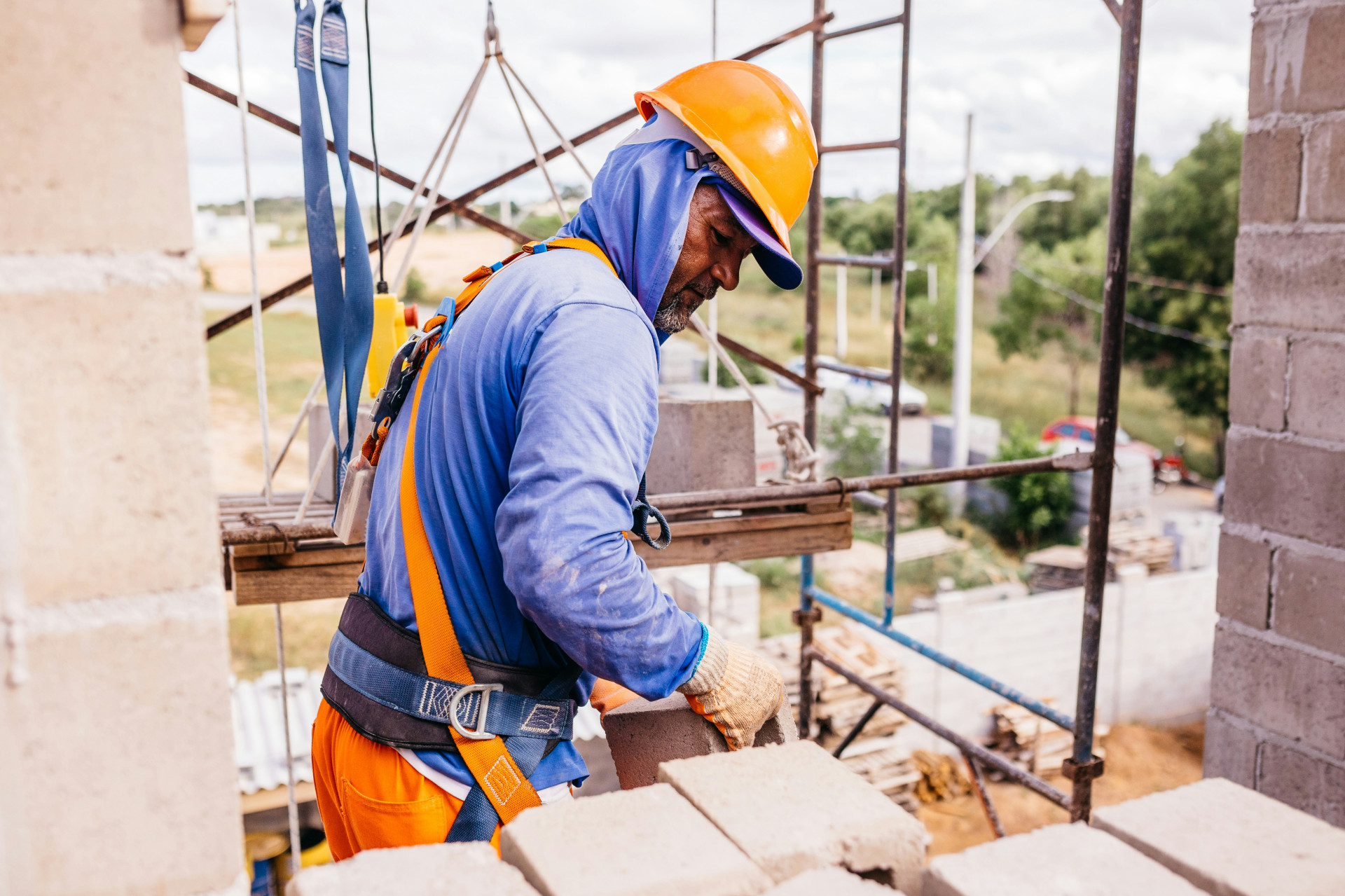
Rediscovering time-tested building wisdom for a more sustainable future
Materials
Materials
6 min
Modern construction is turning to the past for inspiration. By studying traditional building methods that worked in harmony with nature, today’s architects and builders are finding new ways to create energy-efficient, climate-responsive, and enduring structures.
Joseph Richards
Joseph
Richards

Old Walls, New Ideas: Historic Building Methods as Inspiration for Modern Construction

Rediscovering time-tested building wisdom for a more sustainable future
Materials
Materials
6 min
Modern construction is turning to the past for inspiration. By studying traditional building methods that worked in harmony with nature, today’s architects and builders are finding new ways to create energy-efficient, climate-responsive, and enduring structures.
Joseph Richards
Joseph
Richards

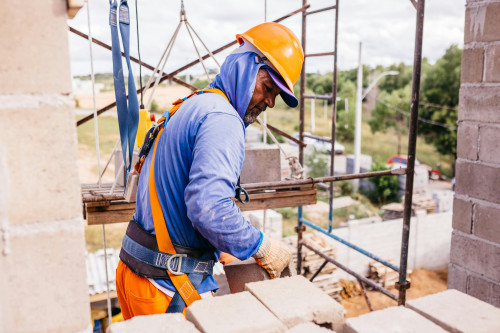
When we talk about sustainable building today, the conversation often revolves around new technologies, energy efficiency, and innovative materials. Yet some of the most sustainable ideas are centuries old. For generations, people built homes that responded to their climate, landscape, and available resources – without concrete, steel, or synthetic insulation. These traditional methods hold lessons that modern architects and builders in the UK are beginning to rediscover.

Built for the Climate – Not Against It

Before industrialisation, buildings were designed to work with their surroundings. In Britain, that meant thick stone cottages in the north to retain warmth, cob and wattle-and-daub houses in the south-west, and timber-framed structures across much of England. Roofs were thatched or slated depending on local materials, and walls were breathable, allowing moisture to escape naturally.

These buildings were not only beautiful but practical. Their materials moderated temperature and humidity without mechanical systems, and they could be repaired rather than replaced. As we now face overheating homes and rising energy costs, there is much to learn from how historic buildings cooperated with nature instead of resisting it.

Local Materials and a Circular Mindset

Traditional construction was inherently circular. Builders used what was close at hand: clay from the ground, stone from nearby quarries, timber from local woodlands. When a building reached the end of its life, its materials were often reused in new structures. Nothing went to waste.

Today, this approach is returning under the banner of circular economy and low-carbon design. Architects are experimenting with rammed earth, lime plaster, and reclaimed brick. In cities like Bristol and Edinburgh, projects are emerging that combine traditional craftsmanship with modern performance standards. The goal is not nostalgia, but durability and low environmental impact – just as builders achieved before the age of mass production.

The Role of Craftsmanship in the Future of Building

Historic methods relied on skilled hands and deep material knowledge. Lime mortar, for example, allows walls to “breathe” and move with the seasons, but it requires expertise to apply correctly. As construction has become more industrialised, much of this knowledge has faded. Yet interest in traditional craft is growing again.

Across the UK, training programmes in heritage skills are expanding, and young tradespeople are learning techniques once thought obsolete. This revival is not only vital for preserving historic buildings but also for creating new ones that are healthy, repairable, and built to last. A well-crafted house can stand for centuries – and that longevity is a form of sustainability in itself.

Modern Technology Meets Tradition

Looking to the past does not mean rejecting progress. On the contrary, combining old principles with modern tools can lead to innovative solutions. Digital modelling now allows architects to design buildings that maximise natural light and ventilation – echoing the intuitive designs of the past. New bio-based materials such as hempcrete and wood fibre insulation build on traditional ideas of breathability and thermal mass, but with the precision of contemporary science.

This meeting of tradition and technology offers a path towards buildings that are both efficient and humane – structures that respect the environment while providing comfort and beauty.

A New Respect for the Old

For much of the twentieth century, old buildings were dismissed as outdated or inefficient. Today, they are increasingly seen as sources of wisdom. They remind us that sustainability is not a new invention but a rediscovery of balance – between people, materials, and the natural world.

Drawing inspiration from historic building methods is not about turning back the clock. It is about learning from the resilience and ingenuity of the past to create a more sustainable future. If we listen carefully, the old walls around us still have plenty to teach.

DIY building projects for the whole family
Inspire the whole family with fun build-it-yourself projects ranging from simple bookcases to play sheds. This e-book contains step-by-step instructions and tips on how to involve the children in the building process.
Open the e-book now
Extend the Lifespan of Your Exterior Doors with Simple and Regular Care
Keep your exterior doors beautiful and functional year after year
Materials
Materials
Exterior Doors
Home Maintenance
DIY
Weather Protection
Home Improvement
3 min
Your exterior doors face constant exposure to the elements, but with a few simple maintenance routines, you can protect them from wear and extend their lifespan. Learn how regular cleaning, lubrication, and weather protection can make a lasting difference.
Orson Miller
Orson
Miller
Old Walls, New Ideas: Historic Building Methods as Inspiration for Modern Construction
Rediscovering time-tested building wisdom for a more sustainable future
Materials
Materials
Sustainable Architecture
Traditional Building
Green Construction
Heritage Design
Modern Architecture
6 min
Modern construction is turning to the past for inspiration. By studying traditional building methods that worked in harmony with nature, today’s architects and builders are finding new ways to create energy-efficient, climate-responsive, and enduring structures.
Joseph Richards
Joseph
Richards
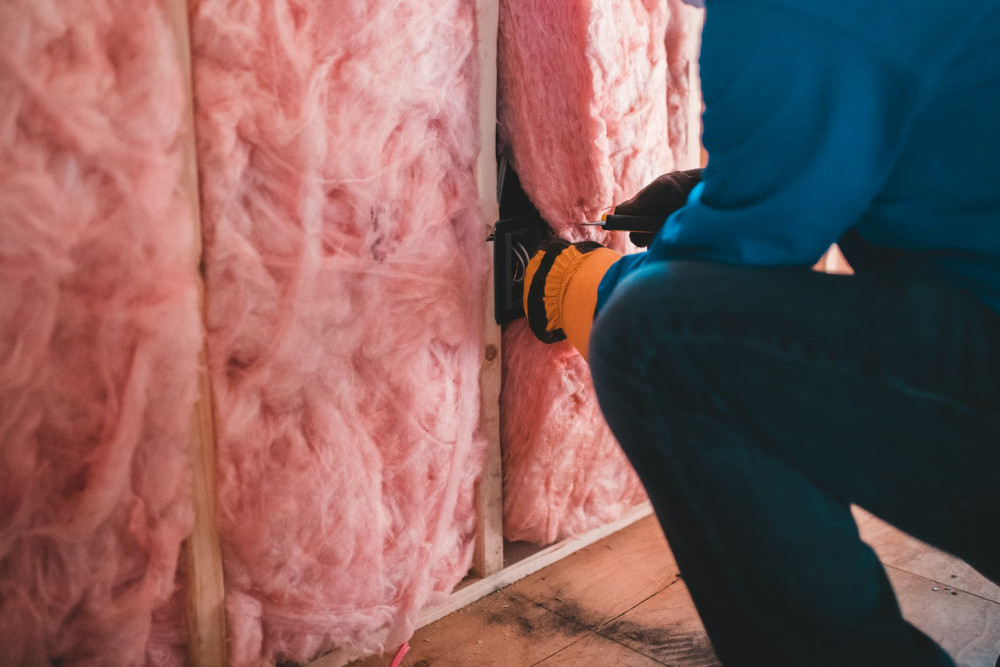
Upgrade Your Insulation with Modern Materials
Discover how modern insulation materials can make your home warmer, greener, and more energy-efficient
Materials
Materials
Home Improvement
Energy Efficiency
Insulation
Sustainability
Eco-Friendly Homes
6 min
Upgrading your home’s insulation is one of the smartest ways to cut energy bills and boost comfort. Learn about the latest materials and technologies that outperform traditional options, helping you create a sustainable and cost-effective living environment.
Scarlett Baker
Scarlett
Baker
Light, Views and Aesthetics: How to Plan the Placement of Windows
Let natural light and beautiful views shape the atmosphere of your home
Materials
Materials
Windows
Home Design
Architecture
Interior Lighting
Aesthetics
4 min
Discover how thoughtful window placement can transform your living spaces. Learn how to balance daylight, views, and aesthetics to create a bright, comfortable, and visually harmonious home that connects seamlessly with the outdoors.
Archie Morris
Archie
Morris
The colour and shape of bricks – small choices with a big impact on your home’s appearance
Discover how brick colour, texture, and shape can transform your home’s style and character
Materials
Materials
Architecture
Home Design
Building Materials
Renovation
Exterior Style
7 min
The bricks you choose do more than build walls – they define your home’s personality. Learn how subtle variations in colour, texture, and proportion can create harmony, enhance curb appeal, and reflect your architectural vision.
Luke King
Luke
King
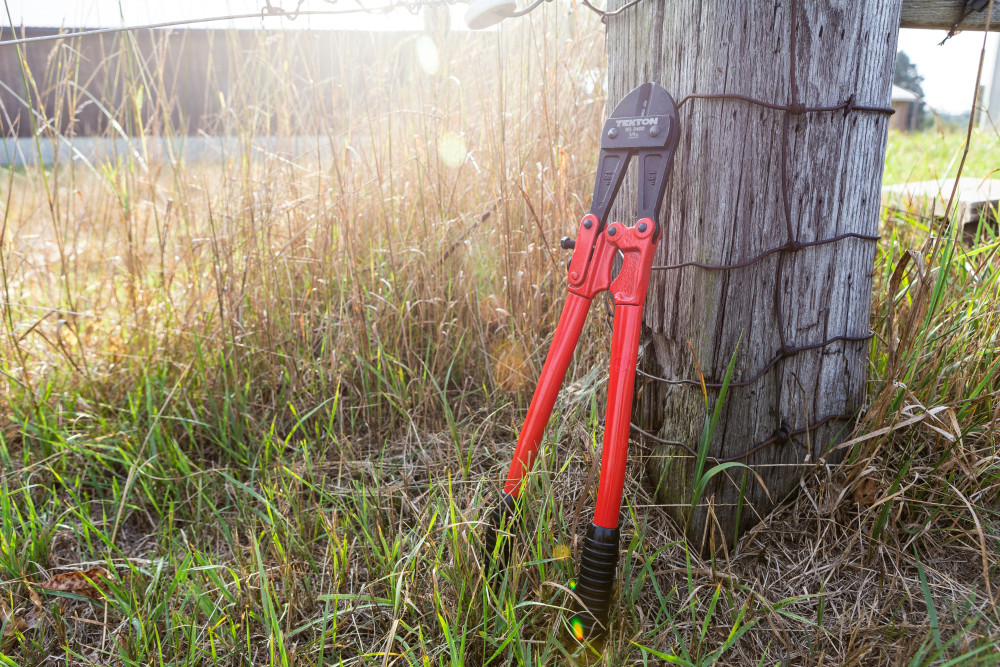
Different bolt cutters and their practical features
Efficient tool for precise cutting of bolts, chains and reinforcement bars
New
New
Bolt cutter
Hand tool
Construction
DIY
Metalworking
3 min
Bolt cutters come in many sizes and types, from compact models to heavy-duty versions for tough work. Get an overview of their features and areas of use so you can choose the right one for your construction project.
Orson Miller
Orson
Miller
Floor drains – variations in form, function and expression
Create a functional and aesthetic bathroom with the right floor drain
New
New
Floor drain
Bathroom
HVAC
Drainage system
Home renovation
7 min
Floor drains come in many shapes and materials, from classic round models to modern linear drains. The article provides an overview of functions, design and maintenance so that you can choose the drain that best suits your bathroom.
Joseph Richards
Joseph
Richards
Get an overview of heat pumps before you choose
Find the right solution for efficient and sustainable heating of your home
New
New
Heat pumps
Heating
Energy solutions
Home
Climate
6 min
Get a complete overview of different types of heat pumps, their functions and advantages. The article helps you understand which solutions best suit your home, your energy consumption and your budget.
Scarlett Baker
Scarlett
Baker
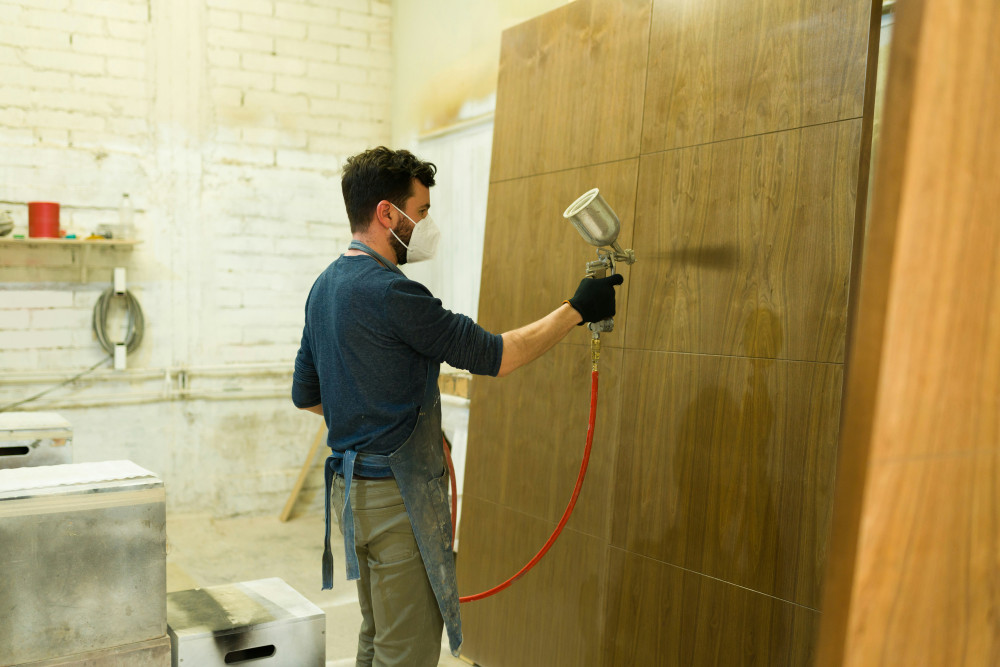
Paint sprayers – understand the differences before you decide
Get an even and professional result in less time
New
New
Paint sprayer
Painting
DIY
Home
Painting equipment
6 min
Paint sprayers make it easy to paint large surfaces quickly and with a professional result. Read about the differences between the most common types, and find out which one suits your next painting project best.
Archie Morris
Archie
Morris