Rats and Rat-Proofing: Myths and Facts You Should Know


Rats and Rat-Proofing: Myths and Facts You Should Know
Rats are among the most unwelcome pests in the UK – and for good reason. They can damage property, spread disease, and cause distress in homes and gardens alike. Yet, many myths still circulate about how to prevent and deal with them. In this article, we’ll separate fact from fiction and explain what every homeowner should know about rat-proofing.
Myth 1: “Rats only appear where it’s dirty”
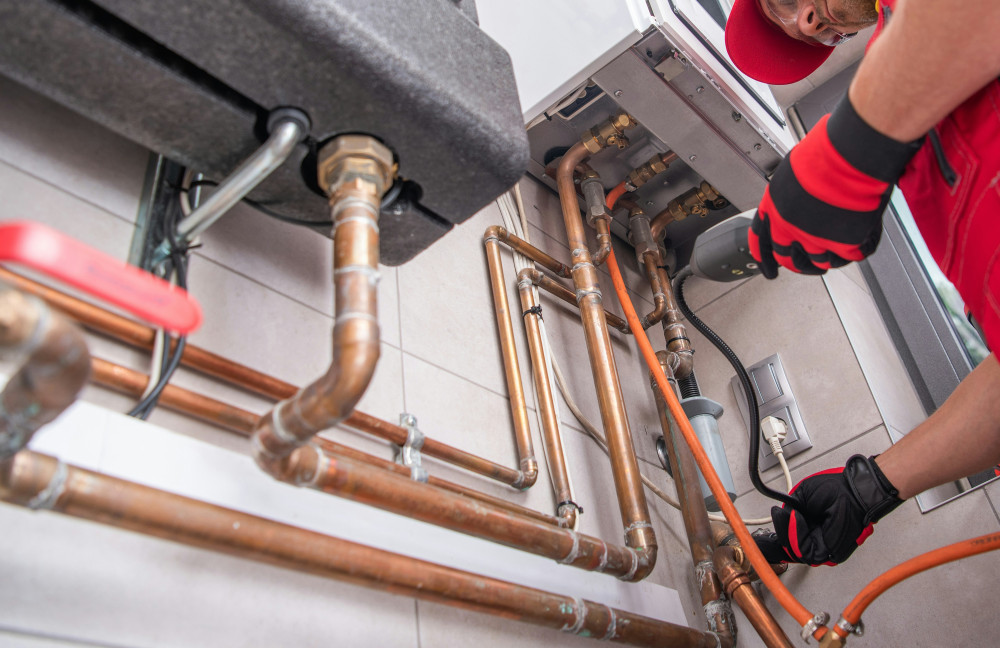
It’s a persistent myth that rats are only attracted to filthy places. In reality, it’s not about cleanliness but about access. Rats seek food, water, and shelter – and they can find these almost anywhere. A broken drain, a gap under a door, or a crack in the wall can be enough for them to get in, no matter how spotless your home is.
Fact: Even clean and well-kept properties can get rats if there are entry points or damaged drains. Regular inspection of pipework and drainage is just as important as good hygiene.
Myth 2: “You can deal with rats yourself using poison”
In the UK, the use of rodenticides is tightly regulated. While some products are available to the public, misuse can harm pets, wildlife, and the environment – and may even make rats resistant to poison. Professional pest controllers are trained to use these substances safely and only when necessary.
Fact: If you suspect a rat infestation, contact your local council or a certified pest control company. They can assess the situation and use the most effective and lawful methods. You can use traps for prevention, but avoid using poison unless advised by a professional.
Læs også:

Myth 3: “Rats can’t come up through the toilet”
Unfortunately, they can. Rats are excellent swimmers and can travel through sewers and up into toilets if there’s no barrier in place. It’s rare, but it does happen – especially in older properties with worn or damaged pipes.
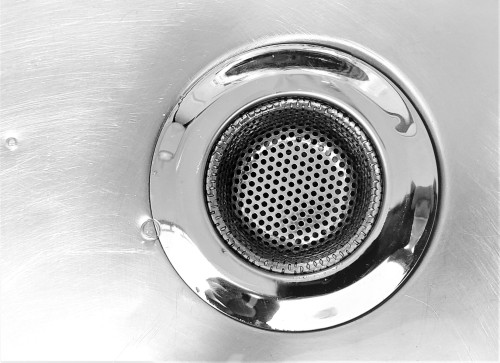
Fact: Installing a non-return valve or rat blocker in your drainage system is an effective way to stop rats from entering from the sewer. A qualified plumber or drainage specialist can fit and check it for you.
Myth 4: “Rats only live in the sewers”
While sewers are a common habitat, they’re far from the only one. Rats can nest under decking, in sheds, compost heaps, or even in lofts once they’ve found a way inside. They’re highly adaptable and can survive almost anywhere with food and water.
Fact: Look out for signs such as burrows, droppings, gnaw marks, and greasy smears along walls. These can indicate that rats are active outside the sewer system.
Myth 5: “A cat will keep rats away”
Although cats may catch mice, rats are a different matter. Adult rats are often larger and more aggressive than most cats are willing to confront. Some cats might deter rats temporarily, but they won’t solve the problem.
Fact: The only reliable way to prevent rats is to block their access and remove food sources – not to rely on pets as natural pest control.
How to Rat-Proof Your Home
Prevention is far easier – and cheaper – than dealing with an infestation. Here are the key steps you can take:
- Inspect your drains: Have a qualified plumber check your drainage system and install a rat blocker if you don’t already have one.
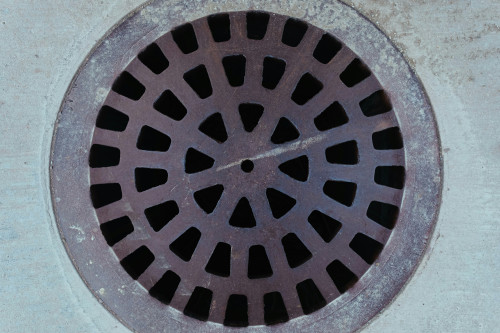
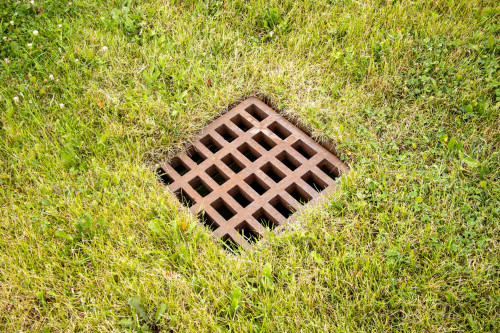
- Keep vents and drains secure: Make sure all covers, grilles, and drain lids are intact and tightly fitted.
- Avoid feeding wildlife excessively: Bird seed, fallen fruit, and leftover food can attract rats.
- Seal gaps and cracks: Even small openings around pipes, vents, or foundations can be enough for a rat to squeeze through.
- Store rubbish properly: Use bins with tight-fitting lids and avoid leaving bags directly on the ground.
What to Do If You See a Rat
If you spot a rat or signs of one, act quickly. Contact your local council’s pest control service or a professional pest controller. Many councils in the UK offer advice or treatment services, sometimes free of charge. Quick action can prevent a small problem from becoming a major infestation.
Avoid using homemade poisons or unapproved traps. These can be dangerous to other animals and may make the problem worse.
Myths Can Be Costly
Many rat problems arise because homeowners believe they’re better protected than they really are. Myths like “it won’t happen to me” or “my cat will handle it” can lead to expensive damage and health risks. By knowing the facts and taking preventive action, you can protect your home and your neighbourhood.
Rats are part of the urban environment, but they don’t belong in our homes. With awareness, care, and proper rat-proofing, you can keep them out – and avoid some very unpleasant surprises.
Læs også: