Choose the Right Brick Size for Your New Build

Find the perfect balance between design, cost, and practicality for your new home
Bricklayer
Bricklayer
6 min
The size of the bricks you choose can shape the entire look and feel of your new build. Learn how different brick dimensions affect proportions, construction time, and budget, and discover which option best complements your architectural style.
Orson Miller
Orson
Miller

Choose the Right Brick Size for Your New Build

Find the perfect balance between design, cost, and practicality for your new home
Bricklayer
Bricklayer
6 min
The size of the bricks you choose can shape the entire look and feel of your new build. Learn how different brick dimensions affect proportions, construction time, and budget, and discover which option best complements your architectural style.
Orson Miller
Orson
Miller

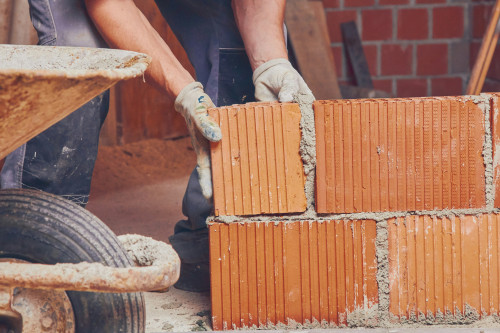
When planning a new home, the size of the brick you choose is more important than it might first appear. Brick dimensions influence not only the look of your property but also the cost, build time, and overall proportions. The wrong choice can throw off the balance of your design, while the right one can create harmony and a timeless appearance that suits both the architecture and its surroundings. Here’s a guide to help you choose the right brick size for your new build in the UK.

What Does Brick Size Mean?

Brick size refers to the brick’s length, height, and depth – usually measured in millimetres. In the UK, there are several standard sizes, each with its own advantages. The most common are:

  • Standard UK brick – 215 x 102.5 x 65 mm
  • Metric modular brick – 225 x 112.5 x 75 mm
  • Slim or linear brick – e.g. 290 x 90 x 50 mm
  • Roman or long format brick – e.g. 440 x 102 x 40 mm
  • Engineering brick – typically 215 x 102.5 x 65 mm, but denser and smoother

The differences may seem small, but they have a big impact on the rhythm and character of the brickwork. A long, low brick gives a sleek, contemporary feel, while a taller brick creates a more traditional, compact appearance.

Architecture and Proportion

Your choice of brick size should reflect the architectural style of your home. A traditional detached house with a pitched roof often looks best with a standard brick, while a modern, flat-roofed design with large windows can benefit from a longer, slimmer format.

  • Traditional style: Standard or modular bricks create a familiar, balanced look.
  • Contemporary style: Long, flat bricks emphasise horizontal lines and give a minimalist feel.
  • Cottage or rustic style: Slightly taller bricks with visible mortar joints can add warmth and texture.

It’s worth visiting show homes or brick suppliers to see sample panels in different sizes. Seeing the brickwork in real life helps you understand how proportions and joints affect the overall appearance.

Cost and Build Time

Brick size also affects your budget and schedule. Larger bricks mean fewer units are needed, which can speed up construction and reduce labour costs. However, special or non-standard sizes may cost more per brick and require more precise workmanship.

A standard UK brick is often the most economical and widely available choice. If you opt for a long or slim format, be aware that it may require special detailing in the brickwork and potentially longer lead times for delivery.

Colour, Texture, and Mortar

Brick size should always be considered alongside colour and texture. A smooth, pale brick in a long format can create a refined, modern look, while a rough, red brick in a standard size feels more traditional and solid.

Mortar joints also play a key role. Thin joints highlight the brick’s shape and size, while thicker joints soften the pattern and add depth. Discuss with your architect or bricklayer how the combination of size, colour, and joint finish can achieve the look you want.

Practical Considerations and Availability

Not all brick sizes are equally easy to source. Standard UK bricks are available from most suppliers in a wide range of colours and finishes, while special formats may have limited stock or longer delivery times. If you choose a non-standard size, make sure you can order enough for the entire project – including future repairs or extensions.

Some formats may also require special corner or window detailing. It’s a good idea to involve your bricklayer early in the design process to ensure that all details are properly planned.

How to Choose the Right Size

When deciding on brick size, start by asking yourself three key questions:

  1. What look do you want? Traditional, modern, or rustic?
  2. What fits your budget and build method?
  3. How does the size work with colour, mortar, and surroundings?

By balancing these factors, you can find the brick size that suits both your taste and your home’s architecture. The right choice will give you a building that looks well-proportioned, stands the test of time, and feels just right every time you see it.

DIY building projects for the whole family
Inspire the whole family with fun build-it-yourself projects ranging from simple bookcases to play sheds. This e-book contains step-by-step instructions and tips on how to involve the children in the building process.
Open the e-book now
Choose the Right Brick Size for Your New Build
Find the perfect balance between design, cost, and practicality for your new home
Bricklayer
Bricklayer
Brick Size
Home Building
Architecture
Construction
Design
6 min
The size of the bricks you choose can shape the entire look and feel of your new build. Learn how different brick dimensions affect proportions, construction time, and budget, and discover which option best complements your architectural style.
Orson Miller
Orson
Miller
New and Old Materials in Harmony – Without Compromising the Strength of the Masonry
Building bridges between tradition and innovation in modern masonry
Bricklayer
Bricklayer
Masonry
Building Conservation
Sustainable Construction
Restoration
Architecture
2 min
Discover how contemporary materials can complement traditional masonry without compromising its strength or character. Learn how craftsmanship, sustainability, and technical expertise come together to preserve the integrity of historic structures while embracing new construction possibilities.
Joseph Richards
Joseph
Richards
Durable Joints in Stairs and Walls: How to Ensure Resistance to Wear and Weather
Build lasting strength and beauty into your masonry with the right joint techniques
Bricklayer
Bricklayer
Masonry
Construction
Home Improvement
Building Maintenance
Weatherproofing
6 min
Learn how to create mortar joints that stand up to weather, wear, and time. This guide explains how to choose the right materials, apply them correctly, and maintain joints in stairs and walls for long-term durability and a flawless finish.
Scarlett Baker
Scarlett
Baker
Bricks in Energy-Efficient Construction: Harnessing Masonry’s Heat for Passive Warming
Discover how traditional brickwork contributes to modern energy-efficient homes
Bricklayer
Bricklayer
Energy Efficiency
Sustainable Building
Passive Design
Masonry
Architecture
4 min
Brick’s natural ability to store and release heat makes it a key player in sustainable building design. Learn how masonry can support passive warming, reduce energy consumption, and enhance comfort in contemporary eco-friendly homes.
Archie Morris
Archie
Morris
The History of Brickwork: How It Has Shaped the Urban Landscape Through Time
From ancient clay bricks to modern masterpieces – discover how brickwork has built our cities and defined our culture
Bricklayer
Bricklayer
Architecture
History
Urban Design
Construction
Cultural Heritage
4 min
Explore the fascinating journey of brickwork through the ages, from its humble beginnings in early civilizations to its role in shaping today’s urban landscapes. Learn how this timeless craft has influenced architecture, technology, and the way we live.
Luke King
Luke
King
Different bolt cutters and their practical features
Efficient tool for precise cutting of bolts, chains and reinforcement bars
New
New
Bolt cutter
Hand tool
Construction
DIY
Metalworking
3 min
Bolt cutters come in many sizes and types, from compact models to heavy-duty versions for tough work. Get an overview of their features and areas of use so you can choose the right one for your construction project.
Orson Miller
Orson
Miller
Floor drains – variations in form, function and expression
Create a functional and aesthetic bathroom with the right floor drain
New
New
Floor drain
Bathroom
HVAC
Drainage system
Home renovation
7 min
Floor drains come in many shapes and materials, from classic round models to modern linear drains. The article provides an overview of functions, design and maintenance so that you can choose the drain that best suits your bathroom.
Joseph Richards
Joseph
Richards
Get an overview of heat pumps before you choose
Find the right solution for efficient and sustainable heating of your home
New
New
Heat pumps
Heating
Energy solutions
Home
Climate
6 min
Get a complete overview of different types of heat pumps, their functions and advantages. The article helps you understand which solutions best suit your home, your energy consumption and your budget.
Scarlett Baker
Scarlett
Baker
Paint sprayers – understand the differences before you decide
Get an even and professional result in less time
New
New
Paint sprayer
Painting
DIY
Home
Painting equipment
6 min
Paint sprayers make it easy to paint large surfaces quickly and with a professional result. Read about the differences between the most common types, and find out which one suits your next painting project best.
Archie Morris
Archie
Morris