Durable Joints in Stairs and Walls: How to Ensure Resistance to Wear and Weather

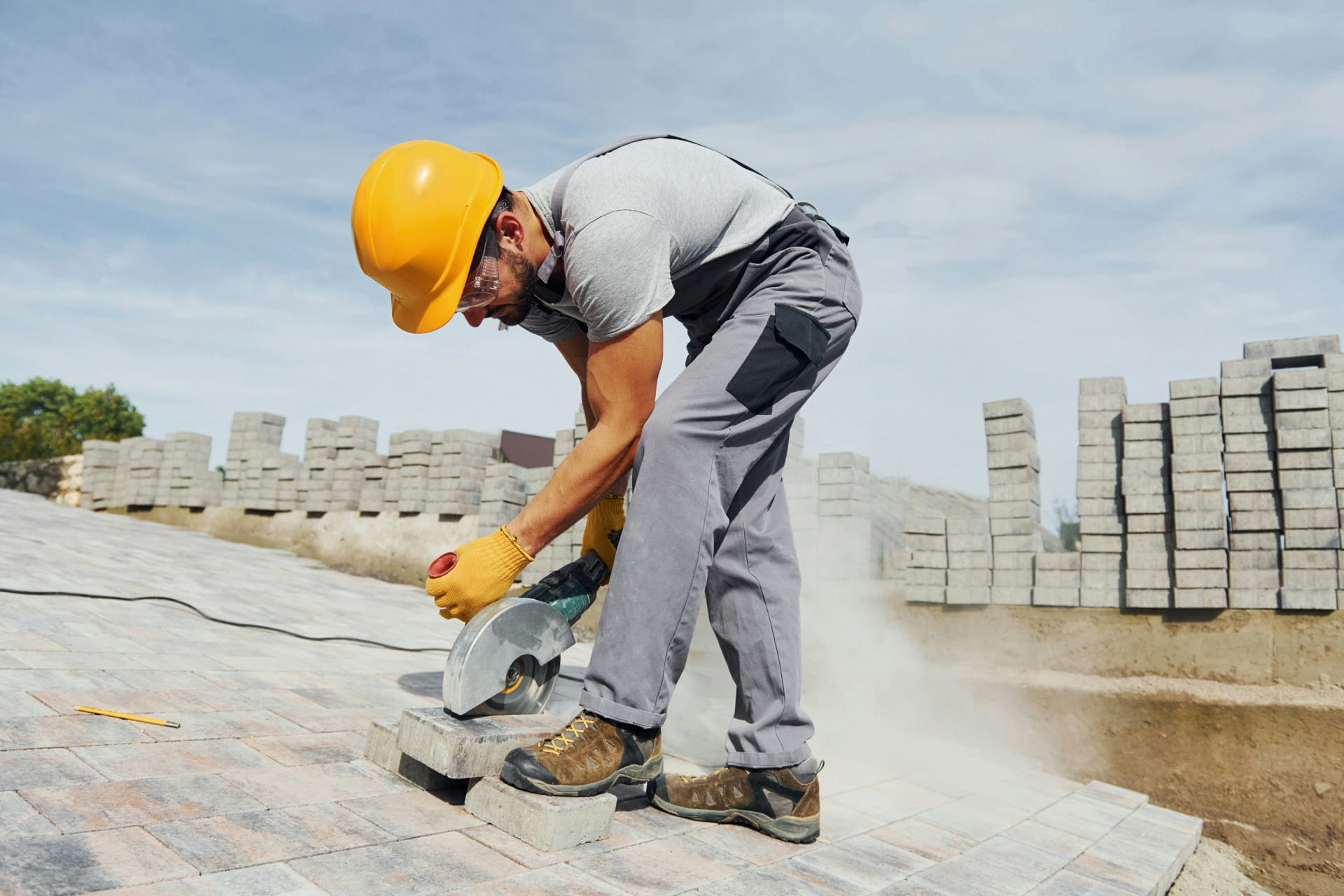
Build lasting strength and beauty into your masonry with the right joint techniques
Bricklayer
Bricklayer
6 min
Learn how to create mortar joints that stand up to weather, wear, and time. This guide explains how to choose the right materials, apply them correctly, and maintain joints in stairs and walls for long-term durability and a flawless finish.
Scarlett Baker
Scarlett
Baker

Durable Joints in Stairs and Walls: How to Ensure Resistance to Wear and Weather

Build lasting strength and beauty into your masonry with the right joint techniques
Bricklayer
Bricklayer
6 min
Learn how to create mortar joints that stand up to weather, wear, and time. This guide explains how to choose the right materials, apply them correctly, and maintain joints in stairs and walls for long-term durability and a flawless finish.
Scarlett Baker
Scarlett
Baker

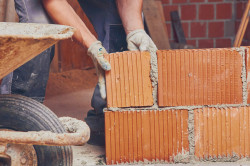
Mortar joints are the unsung heroes of masonry. They hold bricks together, seal out moisture, and give the structure its finished look. Yet, because they are constantly exposed to weather, temperature changes, and mechanical wear, they require special attention – especially in stairs, plinths, and walls where the stress is greatest. Here’s a practical guide to ensuring durable joints that can withstand both time and the British climate.

Why Joints Matter So Much

Joints typically make up around 15–20 per cent of a wall’s surface area, and their condition has a major impact on the lifespan of the masonry. A cracked or porous joint can quickly lead to water ingress, frost damage, and spalling of the bricks. In outdoor stairs and garden walls, where rain and frost are frequent, this can eventually cause serious structural problems.

Good joints are not just about appearance – they are essential for maintaining the strength and function of the structure. A well-made joint is tight, flexible, and suited to both the brick type and the environmental conditions.

Choosing the Right Mortar

The choice of mortar is crucial for long-lasting joints. Many assume that the stronger the mortar, the better – but that’s a misconception. The mortar should be compatible with the hardness of the bricks so that the materials work together rather than against each other.

  • For older masonry, use a lime or lime-cement mortar. These are more breathable and flexible, allowing moisture to evaporate and reducing the risk of cracking.
  • For newer constructions, a cement-rich mortar may be suitable, particularly where there is heavy mechanical wear, such as in steps or plinths.
  • For exposed areas, consider a mortar with hydraulic lime, which provides extra strength and better resistance to water.

The key is to match the mortar to both the brick and the environment – and to avoid overly hard mixes that can damage the masonry over time.

Proper Application – The Key to Longevity

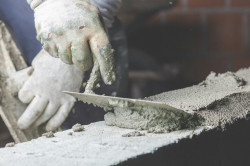
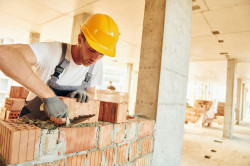
Even the best mortar won’t last if it’s applied incorrectly. Pointing and repointing require precision and patience.

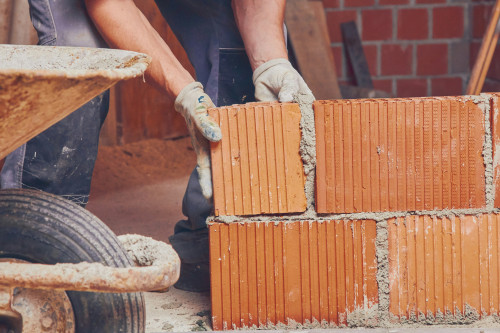
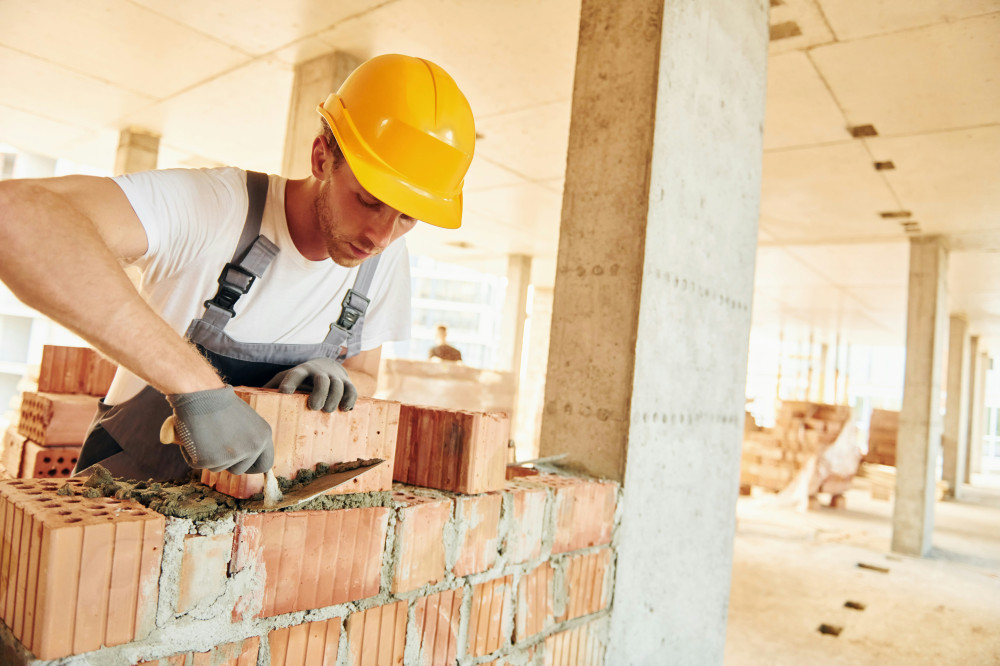
  1. Clean thoroughly – remove all loose or crumbling mortar and dust so the new mortar can bond properly.
  2. Control moisture – the masonry should not be bone dry when you apply new mortar. Lightly dampen it so the mortar doesn’t dry out too quickly.
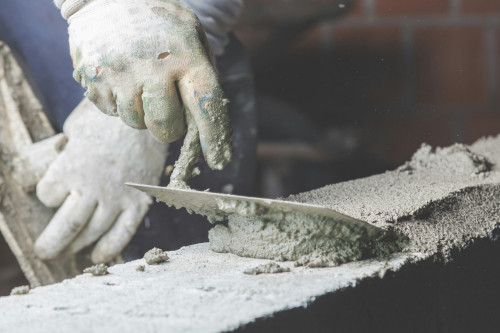
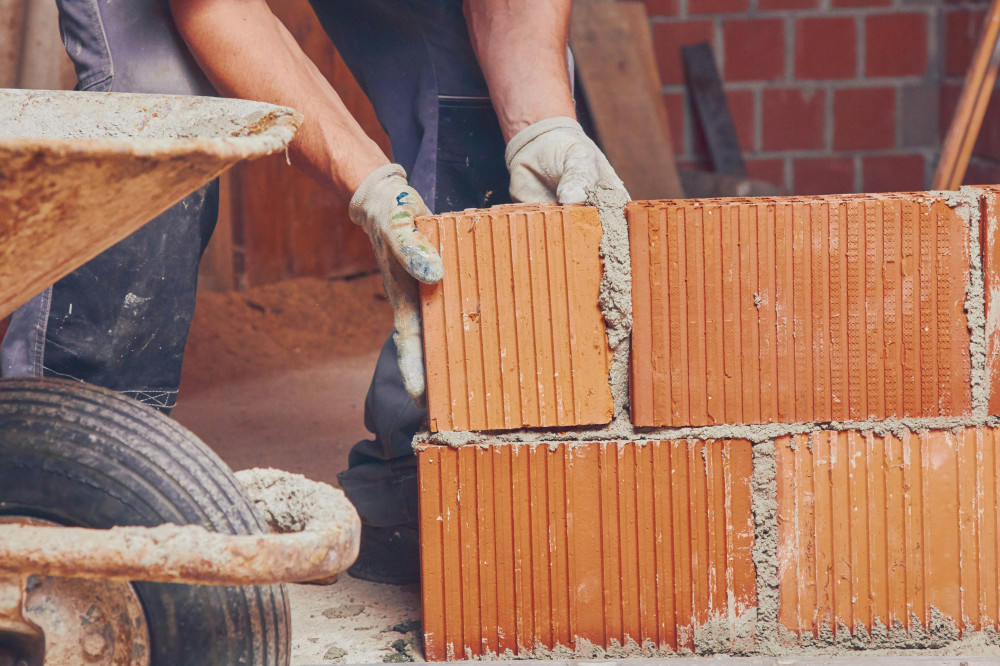
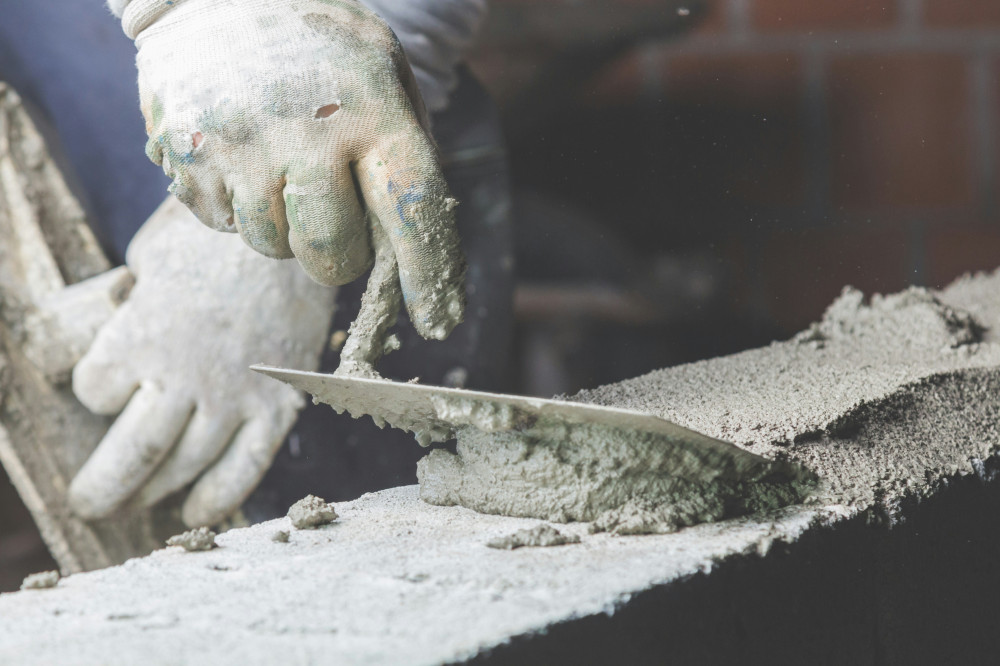
  3. Fill joints completely – press the mortar firmly into the joint to eliminate voids where water could collect.
  4. Shape the joint correctly – a slightly recessed or sloped profile helps shed water and protects against frost damage.
  5. Cure carefully – protect new joints from rain and direct sunlight for the first few days to ensure even curing.

Small details like these make a big difference to the durability of the joints.

Maintenance and Repair

Even the best joints wear over time. Regular inspection is essential – especially after winter, when frost and de-icing salts may have caused damage.

  • Check for cracks and flaking at least once a year.
  • Repair damage promptly before water and frost make it worse.
  • Avoid pressure washing, which can erode joints and force water into the masonry.
  • Use gentle cleaning methods, such as a mild detergent and a soft brush, to remove algae or dirt.

If the joints are badly deteriorated, it may be necessary to repoint entire sections. Though more labour-intensive, this significantly extends the life of the masonry.

Special Considerations for Stairs and Plinths

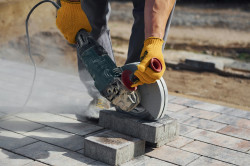
Stairs and plinths are particularly vulnerable because they face both mechanical wear and moisture from the ground. Here, strength and flexibility must go hand in hand.

  • Ensure good drainage so water doesn’t collect on steps or at the base of walls.
  • Use frost-resistant materials and mortars that can withstand repeated freeze–thaw cycles.
  • Consider a breathable water-repellent treatment, such as a silane/siloxane coating, to protect against water ingress without trapping moisture inside.

A well-executed stair joint can last for decades if properly maintained.

When to Call a Professional

Minor repairs can often be handled by a competent DIYer, but for larger issues or historic buildings, it’s wise to consult a professional. An experienced bricklayer or conservation specialist can identify the root causes of joint failure – whether it’s the wrong mortar, moisture problems, or structural movement – and recommend the best solution.

It may seem like an extra expense, but professional advice can save you from repeated repairs and more serious damage later on.

An Investment in Both Strength and Appearance

Durable joints are about more than just technical performance – they also preserve the character of your property. A neat, consistent joint pattern enhances the look of brickwork and reflects the quality of the craftsmanship. At the same time, it protects the structure from the forces that slowly wear it down.

With the right mortar, careful workmanship, and regular maintenance, your stairs and walls can remain strong and beautiful for many years – whatever the British weather brings.

DIY building projects for the whole family
Inspire the whole family with fun build-it-yourself projects ranging from simple bookcases to play sheds. This e-book contains step-by-step instructions and tips on how to involve the children in the building process.
Open the e-book now
Choose the Right Brick Size for Your New Build
Find the perfect balance between design, cost, and practicality for your new home
Bricklayer
Bricklayer
Brick Size
Home Building
Architecture
Construction
Design
6 min
The size of the bricks you choose can shape the entire look and feel of your new build. Learn how different brick dimensions affect proportions, construction time, and budget, and discover which option best complements your architectural style.
Orson Miller
Orson
Miller
New and Old Materials in Harmony – Without Compromising the Strength of the Masonry
Building bridges between tradition and innovation in modern masonry
Bricklayer
Bricklayer
Masonry
Building Conservation
Sustainable Construction
Restoration
Architecture
2 min
Discover how contemporary materials can complement traditional masonry without compromising its strength or character. Learn how craftsmanship, sustainability, and technical expertise come together to preserve the integrity of historic structures while embracing new construction possibilities.
Joseph Richards
Joseph
Richards
Durable Joints in Stairs and Walls: How to Ensure Resistance to Wear and Weather
Build lasting strength and beauty into your masonry with the right joint techniques
Bricklayer
Bricklayer
Masonry
Construction
Home Improvement
Building Maintenance
Weatherproofing
6 min
Learn how to create mortar joints that stand up to weather, wear, and time. This guide explains how to choose the right materials, apply them correctly, and maintain joints in stairs and walls for long-term durability and a flawless finish.
Scarlett Baker
Scarlett
Baker
Bricks in Energy-Efficient Construction: Harnessing Masonry’s Heat for Passive Warming
Discover how traditional brickwork contributes to modern energy-efficient homes
Bricklayer
Bricklayer
Energy Efficiency
Sustainable Building
Passive Design
Masonry
Architecture
4 min
Brick’s natural ability to store and release heat makes it a key player in sustainable building design. Learn how masonry can support passive warming, reduce energy consumption, and enhance comfort in contemporary eco-friendly homes.
Archie Morris
Archie
Morris
The History of Brickwork: How It Has Shaped the Urban Landscape Through Time
From ancient clay bricks to modern masterpieces – discover how brickwork has built our cities and defined our culture
Bricklayer
Bricklayer
Architecture
History
Urban Design
Construction
Cultural Heritage
4 min
Explore the fascinating journey of brickwork through the ages, from its humble beginnings in early civilizations to its role in shaping today’s urban landscapes. Learn how this timeless craft has influenced architecture, technology, and the way we live.
Luke King
Luke
King
Different bolt cutters and their practical features
Efficient tool for precise cutting of bolts, chains and reinforcement bars
New
New
Bolt cutter
Hand tool
Construction
DIY
Metalworking
3 min
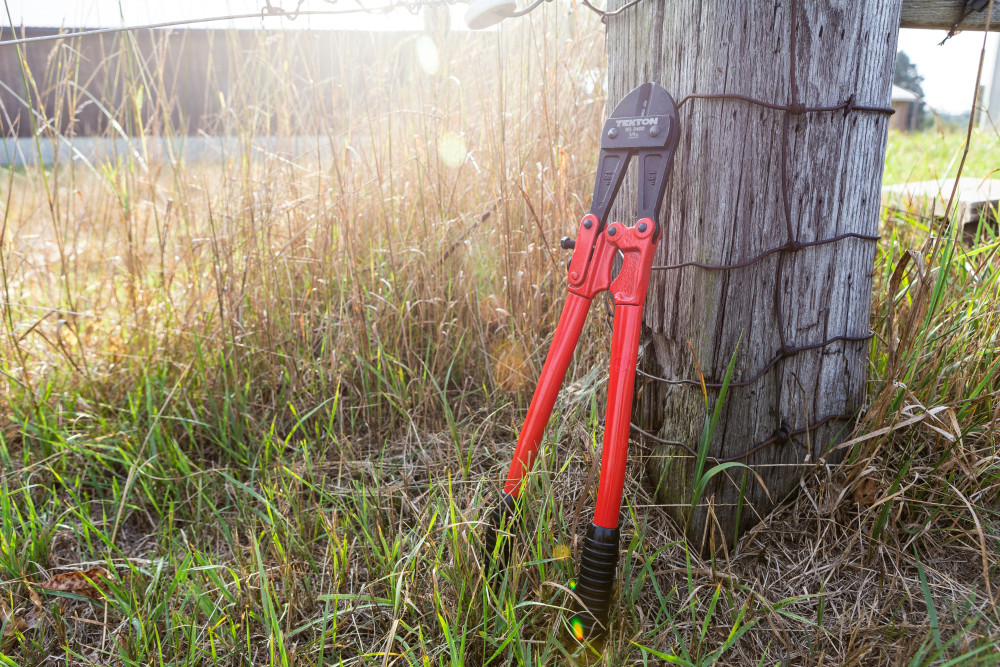
Bolt cutters come in many sizes and types, from compact models to heavy-duty versions for tough work. Get an overview of their features and areas of use so you can choose the right one for your construction project.
Orson Miller
Orson
Miller
Floor drains – variations in form, function and expression
Create a functional and aesthetic bathroom with the right floor drain
New
New
Floor drain
Bathroom
HVAC
Drainage system
Home renovation
7 min
Floor drains come in many shapes and materials, from classic round models to modern linear drains. The article provides an overview of functions, design and maintenance so that you can choose the drain that best suits your bathroom.
Joseph Richards
Joseph
Richards
Get an overview of heat pumps before you choose
Find the right solution for efficient and sustainable heating of your home
New
New
Heat pumps
Heating
Energy solutions
Home
Climate
6 min
Get a complete overview of different types of heat pumps, their functions and advantages. The article helps you understand which solutions best suit your home, your energy consumption and your budget.
Scarlett Baker
Scarlett
Baker
Paint sprayers – understand the differences before you decide
Get an even and professional result in less time
New
New
Paint sprayer
Painting
DIY
Home
Painting equipment
6 min
Paint sprayers make it easy to paint large surfaces quickly and with a professional result. Read about the differences between the most common types, and find out which one suits your next painting project best.
Archie Morris
Archie
Morris