New and Old Materials in Harmony – Without Compromising the Strength of the Masonry


New and Old Materials in Harmony – Without Compromising the Strength of the Masonry
When old and new meet in construction, both opportunities and challenges arise. As sustainability and the preservation of existing buildings gain importance across the UK, it becomes increasingly vital to understand how modern materials can work in harmony with traditional masonry – without weakening its strength, durability, or character.
This article explores how new and old materials can be combined in masonry work, and what it takes to preserve both the building’s integrity and its technical performance.
The Unique Qualities of Masonry
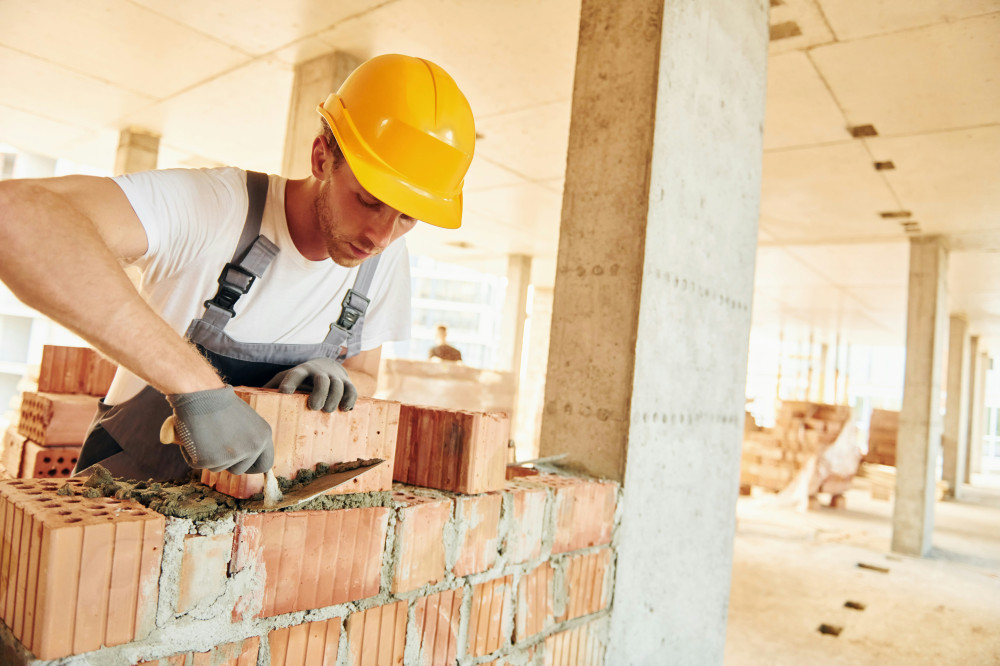
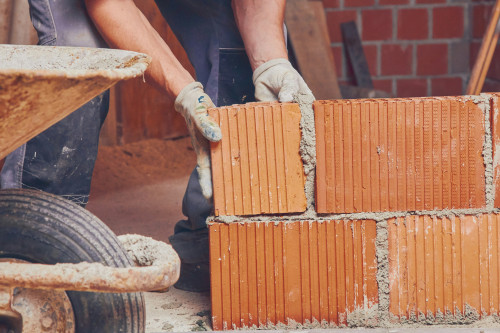
Masonry has shaped Britain’s built environment for centuries – from Georgian terraces and Victorian warehouses to medieval churches and post-war housing. Its enduring appeal lies not only in its beauty but also in its robustness, fire resistance, and ability to regulate moisture and temperature. Traditional masonry, however, is a living material that responds to its surroundings, and this must be respected when introducing modern products into the structure.
Bricks and mortar function as a system. Altering one component inevitably affects the other. That is why it is crucial to understand how contemporary materials – such as insulation, sealants, and surface treatments – interact with the original masonry fabric.
New Materials – New Possibilities
Recent years have seen rapid development in building materials. Innovations in mortars, damp-proofing, and insulation now make it possible to improve energy efficiency and extend the lifespan of historic and modern buildings alike.
Examples of modern approaches include:
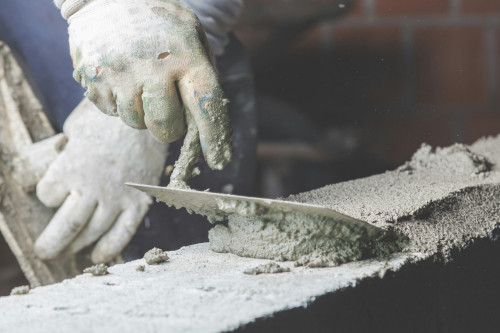
- Lime-based restoration mortars enhanced with natural fibres, improving flexibility and reducing the risk of cracking.
- Breathable insulation materials, such as wood fibre or aerogel-based systems, which allow moisture to pass through and prevent damp issues.
- Nano-coatings that protect against water ingress while maintaining the masonry’s ability to breathe.
These solutions can help preserve the original qualities of masonry while meeting today’s expectations for comfort, performance, and sustainability.
When Old Meets New – Key Considerations
Combining new and old materials requires more than technical know-how. It demands respect for the building’s history and an understanding of how materials behave over time.
Some key principles include:
- Compatibility: New materials should have similar physical properties to the originals, particularly in terms of strength, elasticity, and moisture movement.
- Reversibility: Any intervention should be removable or adjustable without damaging the original structure.
- Documentation: All changes should be recorded so that future professionals can understand what has been done and why.
A common example is the replacement of lime mortar with cement mortar in older buildings. Although cement appears stronger, it is often too rigid and impermeable, trapping moisture and ultimately causing damage to the masonry.
Craftsmanship and Experience Go Hand in Hand
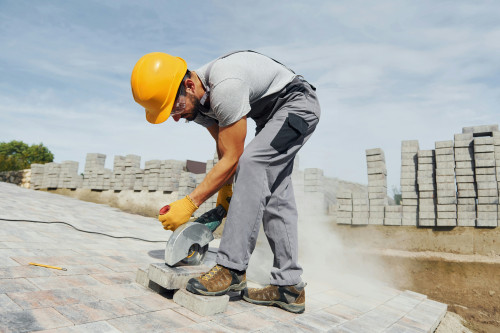
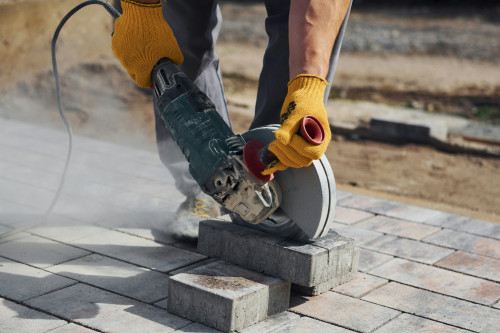
Even the best materials can fail if used incorrectly. Skilled craftsmanship remains essential. Across the UK, many masons and conservation specialists now combine traditional techniques with modern tools, ensuring that buildings retain their historic character while meeting contemporary standards of strength and durability.
Successful projects depend on collaboration between architects, engineers, and craftspeople. When all parties understand both the materials and the building’s story, they can create solutions that respect the past while preparing the structure for the future.
Læs også:
The Future of Masonry – Sustainability and Conservation
In an era focused on sustainability, reusing materials and preserving existing buildings are more important than ever. Masonry offers a distinct advantage: it can often be repaired, repointed, or reused if treated with care and the right methods.
By combining traditional materials with modern technologies, we can create buildings that are not only beautiful and long-lasting but also environmentally responsible. Achieving this balance requires a holistic approach – considering everything from mortar composition and brick selection to moisture control and maintenance.
The strength of masonry lies not only in its physical resilience but also in its adaptability. When new and old materials are brought together thoughtfully, the result can be both technically sound and visually harmonious – a built heritage that stands strong for generations to come.
Læs også: