Communication Under Construction: How to Create a Plan That Keeps the Project on Track

Build stronger projects with clear communication from blueprint to completion
Counseling
Counseling
3 min
Successful construction projects rely on more than materials and schedules—they depend on effective communication. Learn how to design a communication plan that keeps every stakeholder informed, aligned, and ready to handle challenges before they arise.
Orson Miller
Orson
Miller

Communication Under Construction: How to Create a Plan That Keeps the Project on Track

Build stronger projects with clear communication from blueprint to completion
Counseling
Counseling
3 min
Successful construction projects rely on more than materials and schedules—they depend on effective communication. Learn how to design a communication plan that keeps every stakeholder informed, aligned, and ready to handle challenges before they arise.
Orson Miller
Orson
Miller

When a building or renovation project begins, it’s not just bricks, beams, and budgets that need managing. Communication is just as crucial. Without a clear plan for who says what – and when – even the most carefully designed project can slip into confusion, delays, and frustration. Here’s a guide to creating a communication plan that keeps your construction project on track from start to finish.

Why Communication Matters in Construction Projects

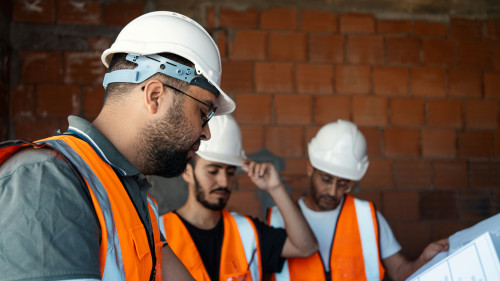
A construction project brings together a wide range of people: the client, contractors, architects, engineers, suppliers, and sometimes local authorities or neighbours. Each has their own priorities and expectations. If communication breaks down, small misunderstandings can quickly turn into costly mistakes.

A strong communication plan ensures everyone knows what’s happening and when. It builds transparency, prevents conflict, and makes decision-making smoother. In short, it’s the glue that holds the project together.

Start by Identifying Your Stakeholders

Before you can plan communication, you need to know who you’re communicating with. Make a list of everyone involved – both directly and indirectly.

  • Client and project manager – the key decision-makers.
  • Contractors and tradespeople – those carrying out the work.
  • Architects and consultants – responsible for design and quality.
  • Suppliers and subcontractors – providing materials and specialist services.
  • Local authorities and neighbours – who may need updates or permissions.

Once you’ve mapped your stakeholders, decide how often and in what way they should be informed. Some will need detailed progress reports, while others only require brief updates.

Define Purpose and Choose the Right Channels

A communication plan doesn’t need to be complicated, but it must be clear. Start by defining its purpose: What do you want your communication to achieve? Is it to maintain progress, ensure safety, manage expectations, or avoid errors?

Then, select the most effective channels for your project:

  • Meetings – weekly site meetings or progress reviews.
  • Email or project management software – for sharing documents, drawings, and updates.
  • Phone or messaging apps – for quick clarifications.
  • Noticeboards or newsletters – for keeping residents or the public informed.

The key is consistency. Everyone should know where to find information and who to contact with questions.

Establish a Regular Rhythm for Updates

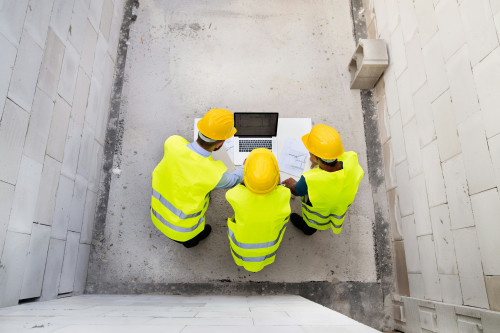
Construction projects evolve constantly, so communication must keep pace. Set a regular schedule for updates – for example, a weekly site meeting to review progress, challenges, and next steps.

A good meeting has a clear agenda, defined roles, and concise minutes circulated afterwards. This promotes accountability and ensures decisions are recorded. Using a shared digital platform, such as Microsoft Teams or Asite, can help everyone stay aligned in real time.

Manage Changes and Unexpected Events

No construction plan runs perfectly. Delays, design changes, or supply issues are part of the process. What matters is how they’re handled.

Your communication plan should include procedures for managing change: who needs to be informed, how decisions are made, and how updates are documented. This helps the team respond quickly and prevents small issues from escalating into major setbacks.

Don’t Forget the Human Element

Even the best plan can fail if the tone of communication is poor. Construction is a team effort, and trust is essential. Communication isn’t just about sharing information – it’s about building relationships.

Be open, respectful, and willing to listen, especially when disagreements arise. A constructive conversation can often resolve problems before they become conflicts. And remember to recognise good work – appreciation boosts morale and strengthens collaboration.

End with an Evaluation

When the project is complete, take time to review how communication worked. What went well? What could be improved next time? A short evaluation provides valuable lessons for future projects.

A communication plan isn’t just a document – it’s a living tool that should evolve with the project. By prioritising clear, structured, and respectful communication, you give your construction project the best chance of success – from the first blueprint to the final handover.

DIY building projects for the whole family
Inspire the whole family with fun build-it-yourself projects ranging from simple bookcases to play sheds. This e-book contains step-by-step instructions and tips on how to involve the children in the building process.
Open the e-book now
Communication Under Construction: How to Create a Plan That Keeps the Project on Track
Build stronger projects with clear communication from blueprint to completion
Counseling
Counseling
Construction Management
Project Planning
Communication
Team Collaboration
Stakeholder Engagement
3 min
Successful construction projects rely on more than materials and schedules—they depend on effective communication. Learn how to design a communication plan that keeps every stakeholder informed, aligned, and ready to handle challenges before they arise.
Orson Miller
Orson
Miller
Daylight as a Sustainable Resource in Modern Architecture
Harnessing natural light to shape sustainable, healthy, and energy-efficient buildings
Counseling
Counseling
Sustainable Architecture
Daylight Design
Energy Efficiency
Building Innovation
Well-being
5 min
Discover how architects are rethinking daylight as a key sustainable resource in modern design. Learn how natural light enhances energy performance, comfort, and well-being while defining the aesthetics of contemporary architecture.
Joseph Richards
Joseph
Richards
Get advice that ensures your construction meets expectations
Expert guidance for a smooth and successful building process
Counseling
Counseling
Construction
Building Advice
Home Renovation
Project Management
Consulting
6 min
Make sure your construction project lives up to your expectations with professional advice from start to finish. Learn how expert consultants can help you avoid costly mistakes, stay on budget, and achieve the quality and design you envision.
Scarlett Baker
Scarlett
Baker
The Role of Building Regulations in Preventing Damp and Mould
How building standards help protect homes from moisture damage and unhealthy living conditions
Counseling
Counseling
Building Regulations
Damp Prevention
Mould Control
Healthy Homes
Construction Standards
3 min
Discover how building regulations safeguard properties from damp and mould by setting essential standards for design, construction, and maintenance. Learn why compliance is key to creating durable, energy-efficient, and healthy indoor environments.
Archie Morris
Archie
Morris
Mindful Maintenance: How to Extend the Lifespan of Materials and Reduce Waste
Simple habits that make your belongings last longer and help the planet
Counseling
Counseling
Sustainability
Maintenance
Eco Living
Waste Reduction
Conscious Consumption
7 min
Discover how mindful maintenance can extend the life of your materials, save money, and reduce waste. From wood and textiles to metal and electronics, learn practical ways to care for what you own and embrace a more sustainable lifestyle.
Luke King
Luke
King
Different bolt cutters and their practical features
Efficient tool for precise cutting of bolts, chains and reinforcement bars
New
New
Bolt cutter
Hand tool
Construction
DIY
Metalworking
3 min
Bolt cutters come in many sizes and types, from compact models to heavy-duty versions for tough work. Get an overview of their features and areas of use so you can choose the right one for your construction project.
Orson Miller
Orson
Miller
Floor drains – variations in form, function and expression
Create a functional and aesthetic bathroom with the right floor drain
New
New
Floor drain
Bathroom
HVAC
Drainage system
Home renovation
7 min
Floor drains come in many shapes and materials, from classic round models to modern linear drains. The article provides an overview of functions, design and maintenance so that you can choose the drain that best suits your bathroom.
Joseph Richards
Joseph
Richards
Get an overview of heat pumps before you choose
Find the right solution for efficient and sustainable heating of your home
New
New
Heat pumps
Heating
Energy solutions
Home
Climate
6 min
Get a complete overview of different types of heat pumps, their functions and advantages. The article helps you understand which solutions best suit your home, your energy consumption and your budget.
Scarlett Baker
Scarlett
Baker
Paint sprayers – understand the differences before you decide
Get an even and professional result in less time
New
New
Paint sprayer
Painting
DIY
Home
Painting equipment
6 min
Paint sprayers make it easy to paint large surfaces quickly and with a professional result. Read about the differences between the most common types, and find out which one suits your next painting project best.
Archie Morris
Archie
Morris