Mindful Maintenance: How to Extend the Lifespan of Materials and Reduce Waste

Mindful Maintenance: How to Extend the Lifespan of Materials and Reduce Waste
In an age where sustainability and resource awareness are at the forefront, it’s worth taking a closer look at how we care for the things we already own. Maintenance isn’t just about keeping things looking nice – it’s an investment in quality, economy, and the environment. By extending the lifespan of materials, we reduce the need for new resources and cut down on waste. Here’s a guide to mindful maintenance – from wood and textiles to metal and electronics – tailored for everyday life in the UK.
Know Your Material – and Its Needs
The first step in good maintenance is understanding what your item is made of and how it reacts to wear, moisture, and temperature. Wood, metal, plastic, and fabric all require different kinds of care.
- Wood needs to breathe. Avoid heavy varnishes that trap moisture; instead, use oils or breathable paints that protect without sealing completely. Outdoor furniture benefits from a yearly oiling, especially in the damp British climate.
- Metal should be kept clean and dry to prevent rust. A light coating of oil or wax can make a big difference, particularly for garden tools or bicycles exposed to rain.
- Textiles last longer when washed gently and air-dried. Overwashing and high temperatures wear fibres out quickly. Use eco-friendly detergents and wash at lower temperatures to save energy.
- Plastic and composites need regular cleaning but don’t tolerate harsh chemicals. Use mild soap and soft cloths to avoid scratches.
When you understand the nature of a material, you can choose the right method – and avoid doing more harm than good.
Læs også:



Prevention Is Better Than Repair
Small, regular habits can make a huge difference. Preventing damage saves both time and money in the long run.
- Watch out for damp and mould – especially in bathrooms, kitchens, and around windows. Early action prevents costly repairs.
- Clean and lubricate moving parts such as hinges, locks, and bike chains a few times a year.
- Inspect surfaces for cracks, peeling paint, or rust. A quick fix now can add years to an item’s life.
- Store properly – tools, furniture, and clothing last longer when kept dry, clean, and out of direct sunlight.
Prevention is essentially about spotting problems before they grow.
Repair Instead of Replace
Many items can be repaired rather than thrown away. It might take a bit of time and patience, but the result is better for both your wallet and the planet.
- Wooden furniture can be sanded, glued, and repainted – often ending up better than new.
- Clothing and textiles can be mended, patched, or reinforced. Repair cafés and community workshops across the UK offer help and advice.
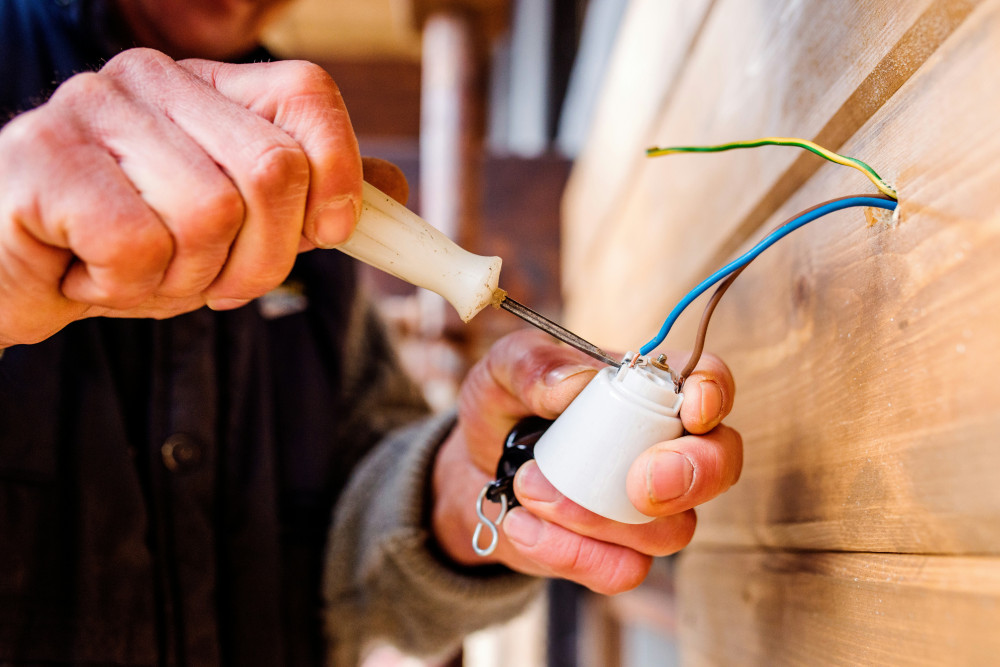
- Electronics can often be revived with a new cable, battery, or spare part. Check the manufacturer’s website or local repair initiatives before discarding.
- Bicycles and garden tools can be refreshed with a bit of oil, new tyres, or a coat of paint.
Repairing isn’t just practical – it’s deeply satisfying and fosters a sense of responsibility.
Choose Quality and Timeless Design
Sustainable maintenance starts at the point of purchase. High-quality, well-designed products last longer – both physically and aesthetically.
- Avoid cheap, disposable items that break easily.
- Choose materials that can be separated and recycled.
- Prioritise products with replaceable parts and available spares.
Thinking long-term turns maintenance into a natural part of ownership rather than a chore.
Share, Swap, and Reuse
Maintenance also means thinking in circles. If you no longer need something, it might still have value for someone else.
- Swap or sell items you don’t use through local online marketplaces or community groups.
- Donate furniture, clothes, and equipment to charity shops.
- Reuse materials in new projects – old timber can become shelves, and fabric scraps can be turned into cushions.
By keeping resources in circulation, we reduce waste and make better use of what already exists.
A New Way of Thinking About Ownership
Mindful maintenance is more than a practical skill – it’s a mindset. It’s about recognising the value in what we already have and taking responsibility for the resources we use. When we care for our belongings, we also care for the environment.
Small, everyday actions – a repaired chair, an oiled fence, a washed coat instead of a new one – add up to a big difference. That’s sustainability in practice.
Læs også: