From Craftsmanship to Design: The Influence of Tradition on Modern Flooring

From Craftsmanship to Design: The Influence of Tradition on Modern Flooring
Floors are more than just surfaces we walk on. They form the foundation of a room’s character, atmosphere, and function – and they are also where tradition and innovation meet. In recent years, there has been a growing appreciation for materials and techniques that draw on traditional craftsmanship, reinterpreted through the lens of modern design. From softly finished oak boards to patterned tiles and sustainable materials, the methods of the past continue to shape the aesthetics of the present.
The Legacy of Craftsmanship in Modern Materials
Historically, floors were crafted with care and respect for the material. Artisans worked with locally sourced woods, stone, and clay, using simple yet precise tools. This approach is being rediscovered today, as designers and manufacturers seek authenticity and a closer connection to nature.
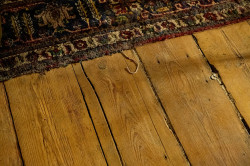
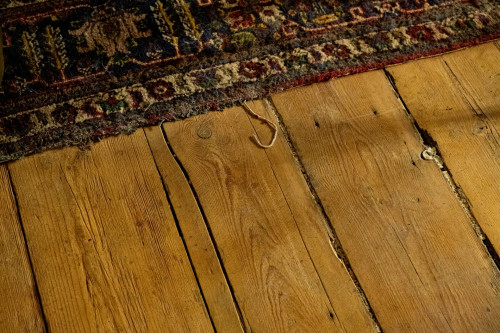
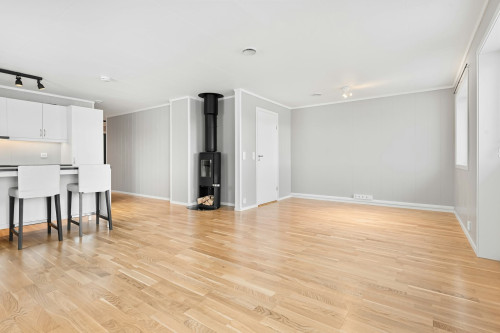
Wooden flooring is a prime example. The classic plank floors found in Georgian townhouses and Victorian terraces are once again in demand – now enhanced with modern finishes that highlight the grain and improve durability. Traditional treatments such as oiling and waxing are still used, but in updated, eco-friendly forms that suit contemporary living.
Patterns and Traditions Making a Comeback
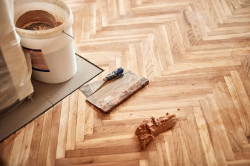
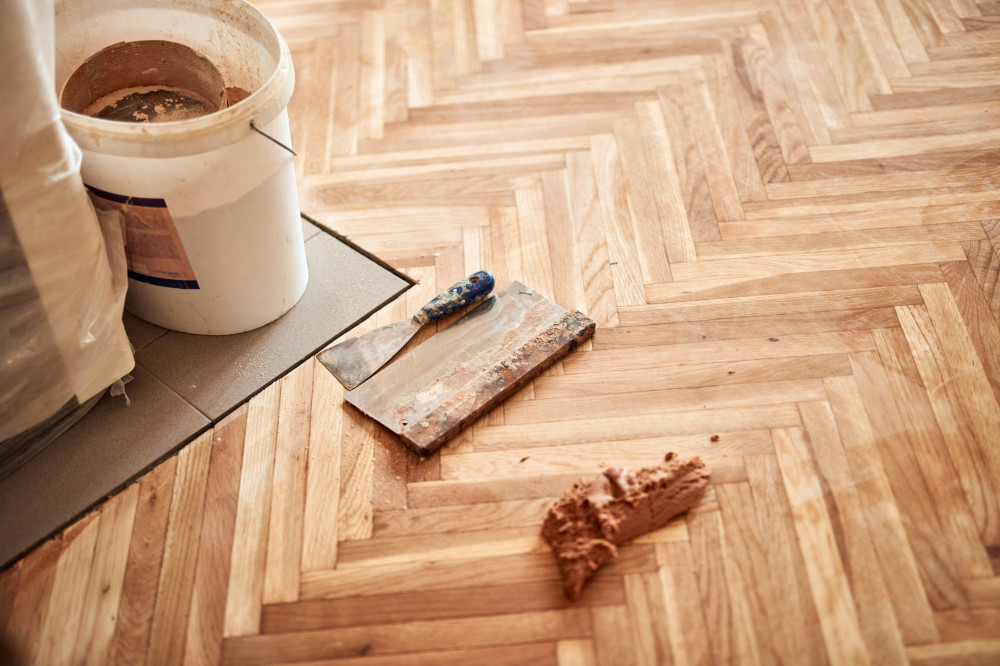
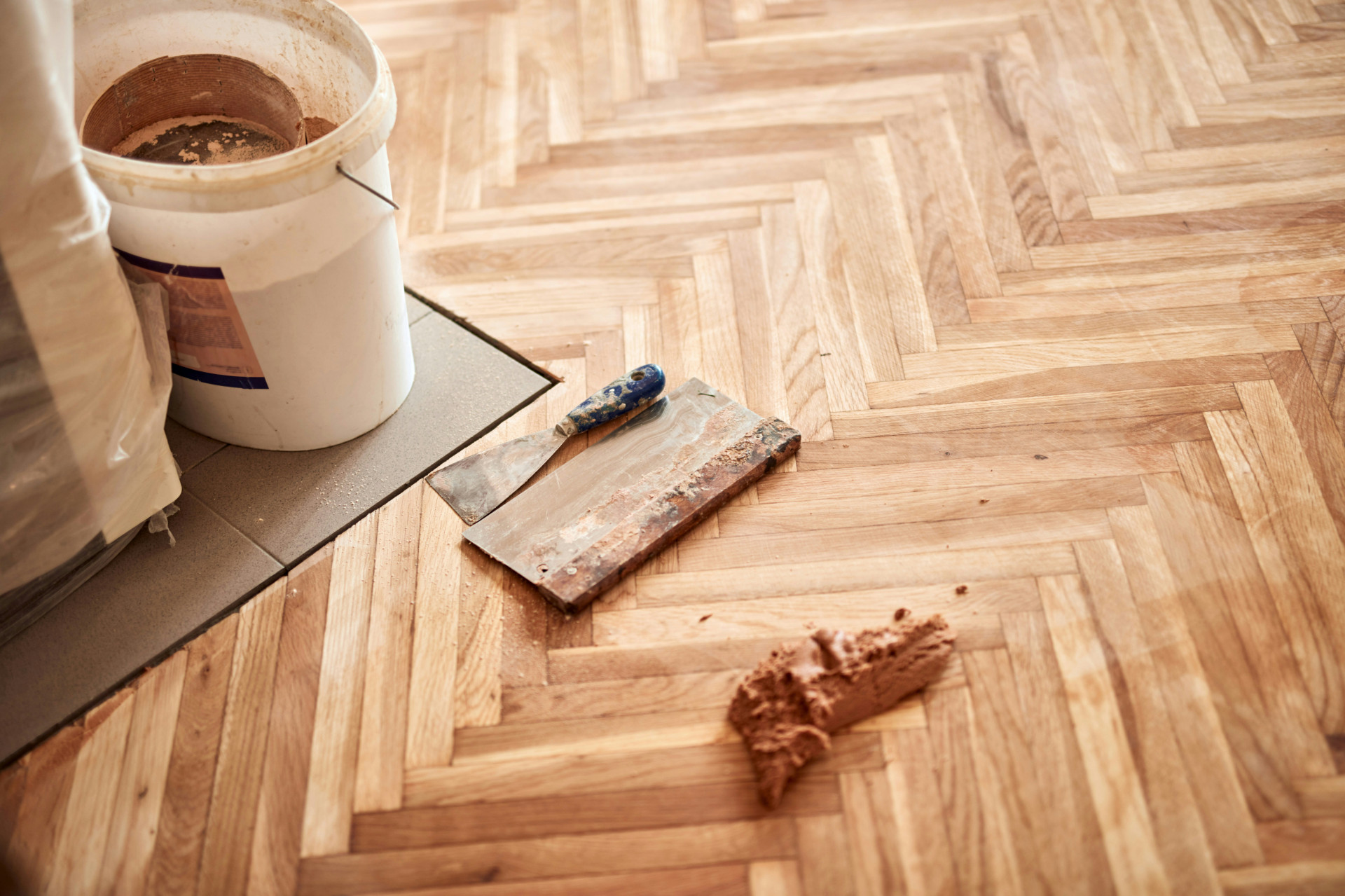
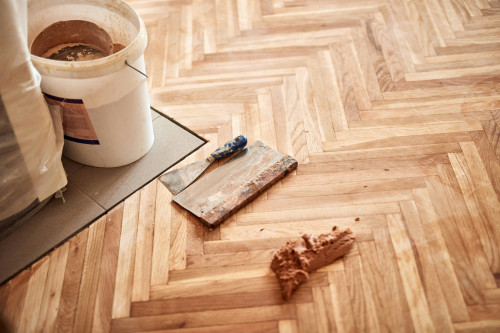
Many patterns we now associate with modern interiors have deep roots in traditional craftsmanship. Herringbone, chevron, and parquet designs were once painstakingly laid by hand, piece by piece. Today, these patterns are recreated with precision technology, yet they retain the charm and rhythm of their origins.
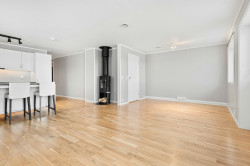
The herringbone pattern, in particular, has seen a remarkable revival. Once a hallmark of stately homes, it now appears in modern apartments and open-plan spaces, where it adds texture and a sense of heritage. Combined with minimalist furniture and light colour palettes, it creates a dialogue between past and present that feels both timeless and personal.
Sustainability as a Modern Form of Craft
The current focus on sustainability also echoes traditional values of resourcefulness. In the past, materials were used sparingly – floors were repaired, reused, and maintained for generations. That mindset is returning, with reclaimed wood, natural materials, and local production gaining popularity.
Bamboo, cork, and linoleum are examples of materials that blend traditional knowledge with modern innovation. They are durable, renewable, and bring a warm, natural feel to interiors – fitting seamlessly into both period properties and contemporary homes.
Design That Tells a Story
A floor can be a design statement, but it can also tell a story of place, time, and craftsmanship. Many architects and interior designers now treat flooring as an integral part of a room’s identity – not just a neutral base, but a feature that connects the space’s history and purpose.
Choosing a floor with traditional roots means embracing a piece of cultural heritage. It might be a historic pattern, a native wood species, or a technique passed down through generations. In this way, flooring becomes a bridge between the artistry of the past and the design consciousness of today.
Læs også:

From Workshop to Home
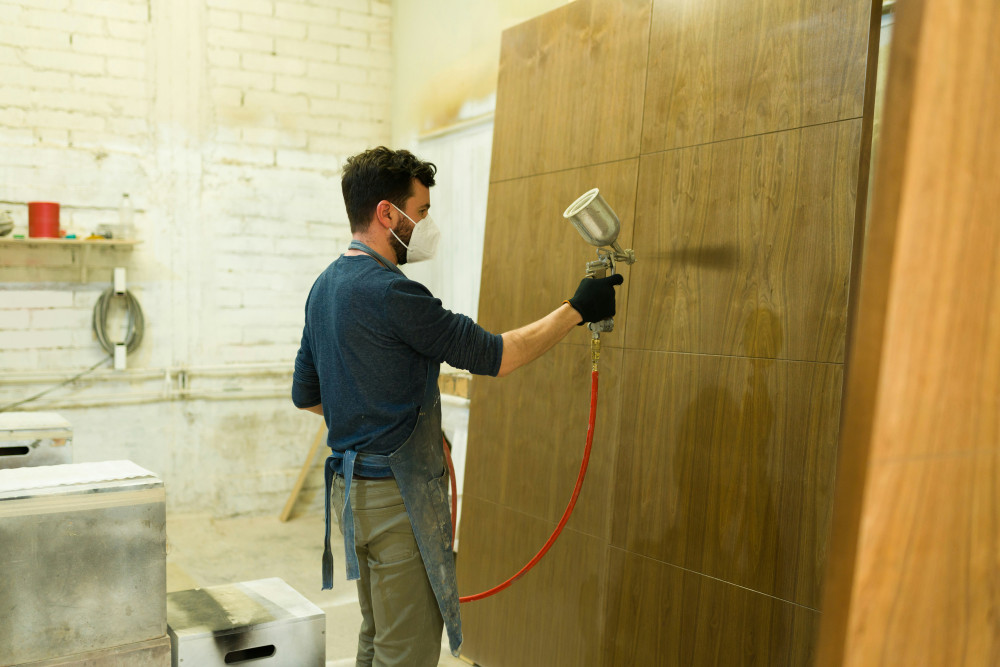
Even though most flooring is now produced industrially, there is a renewed interest in the handmade. Many British and European manufacturers collaborate with skilled craftspeople to preserve traditional methods – brushing, staining, or finishing wood by hand. This gives each floor a unique character and a sense of authenticity that machines alone cannot replicate.
The combination of technology and tradition allows modern flooring to be functional, beautiful, and sustainable – without losing the soul that defines true craftsmanship.
Tradition as Inspiration for the Future
When we talk about modern flooring today, it is not only about design and practicality, but also about values. The traditions of craftsmanship remind us that quality takes time, and that materials carry stories worth preserving. By building on the techniques of the past, we can create floors that are not only durable and elegant, but also meaningful – designed to last for generations to come.
Læs også: