Teach Children to Care for the Floor – Small Habits with a Big Impact

Teach Children to Care for the Floor – Small Habits with a Big Impact
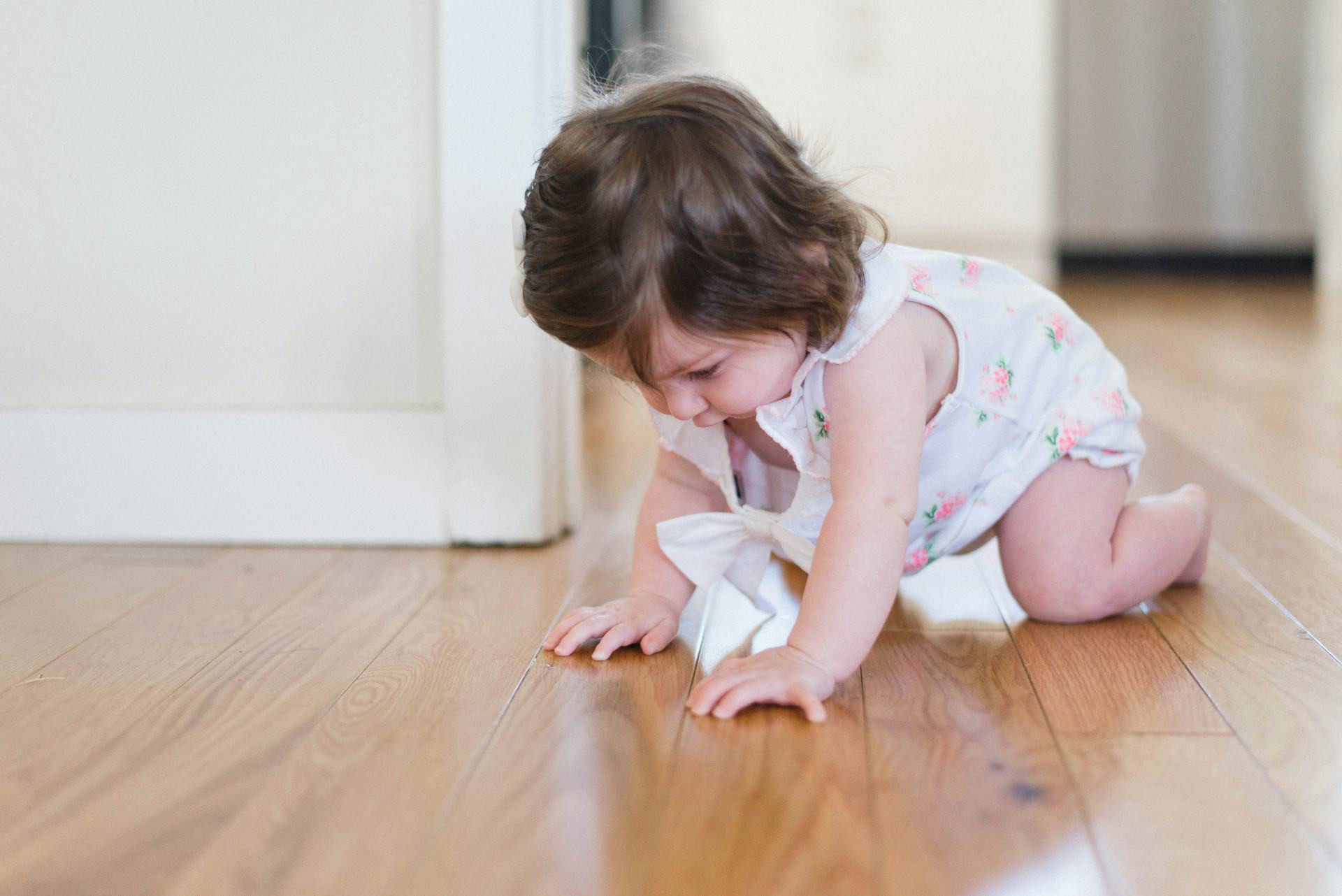
A floor has to withstand a lot – playtime, cooking, guests, and the bustle of everyday life. But in homes with children, it often takes an extra beating: spilled drinks, scratches from toys, and muddy shoes. Fortunately, small habits can make a big difference. By teaching children to care for the floor from an early age, you can extend its life and help them develop a sense of responsibility that lasts well beyond childhood.
Make Floor Care Fun
Children learn best through play and repetition. Instead of scolding when accidents happen, turn floor care into something fun. Create simple “floor rules” that everyone in the family knows – for example:
- “Shoes off at the door” – make it a habit to remove shoes when coming inside. Keep a shoe rack or basket by the entrance to make it easy.
- “Wipe your feet before you come in” – especially on rainy British days. A good doormat routine can save you a lot of cleaning.
- “Toys stay on the rug” – place a rug where children can build with blocks or play with cars. It protects the floor from scratches and makes tidying up easier.
When children help come up with the rules, they feel more involved – and that makes them more likely to remember them.
Teach Responsibility for Small Accidents
Spills and messes are part of family life. But they’re also great opportunities to teach responsibility. Show children how to wipe up spills straight away and explain why it matters – especially on wooden floors, where moisture can quickly cause stains or warping.
You can make it a routine for children to fetch a cloth or paper towel when something spills. It’s not about perfection, but about helping them understand that small actions have real impact.
Choose Materials That Suit Family Life
Even with good habits, family life brings wear and tear. That’s why it’s worth choosing flooring that can handle it. Vinyl, laminate, and sealed wood are popular choices in UK homes because they’re easy to clean and resistant to stains.
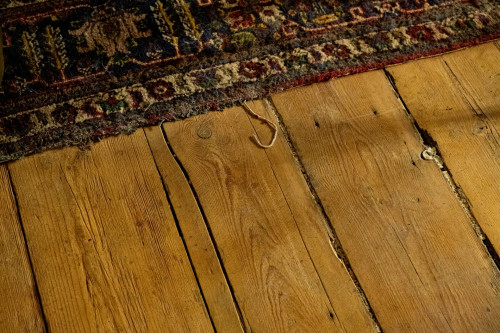
If you have wooden floors, consider using rugs in high-traffic areas – under the dining table, in the hallway, or in children’s rooms. They protect the surface and add warmth and comfort to the space.
Make Cleaning a Shared Task
When children take part in cleaning, they learn both responsibility and respect for their home. Younger children can help sweep crumbs, while older ones can mop or vacuum. Turn it into a shared activity – perhaps with some music or a small challenge to see who can spot the most dust bunnies.
By involving children in maintenance, they learn that a clean, tidy floor doesn’t just happen by itself. It builds a natural understanding of why care and effort matter.
Læs også:

Build a Culture of Care
Teaching children to look after the floor is really about more than cleaning. It’s about building a culture of care – for the home, for belongings, and for one another. When children see that their actions make a difference, they develop respect for shared spaces and personal possessions alike.
Small habits like taking off shoes, wiping up spills, and putting toys away may seem minor in the moment, but they have a lasting effect. They protect the floor – and nurture a sense of responsibility and independence.
A Floor That Lasts – and a Habit That Stays
A well-kept floor isn’t just about appearance; it’s about comfort and wellbeing. When the floor looks good and feels clean, it brings calm and satisfaction to daily life. And when children help to keep it that way, it becomes a shared achievement.
So next time you spot a muddy footprint or a dropped biscuit, remember: it’s not just a mess – it’s a chance to teach. Small habits in childhood can have a big impact that lasts a lifetime.
Læs også: