Future-proofing modern office spaces: a guide to integrated av infrastructure
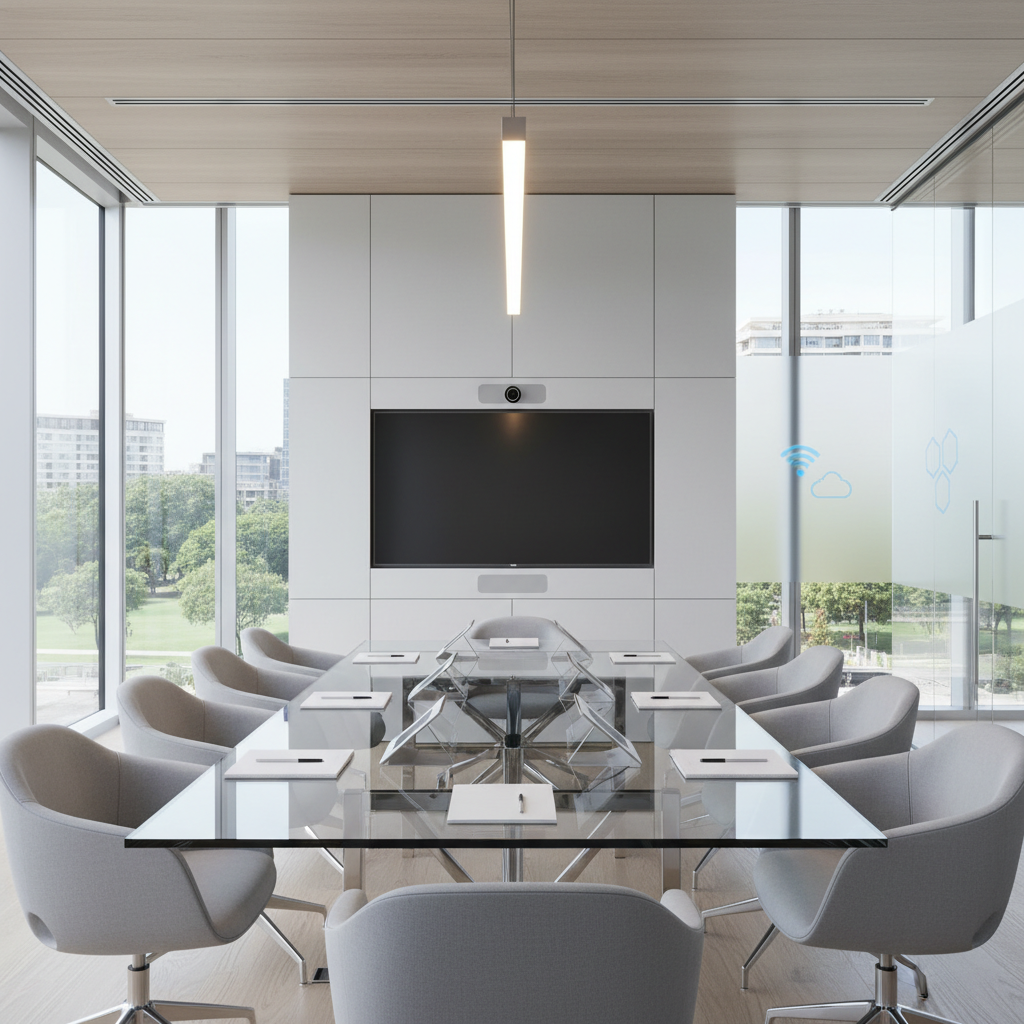

Future-proofing modern office spaces: a guide to integrated av infrastructure
Creating a productive work environment requires a strategic approach to integrated AV infrastructure that goes beyond simple hardware installations. As hybrid work becomes the permanent standard for global enterprises, the demand for flexible, reliable, and scalable technology has never been higher. Modern offices must transition away from isolated, one-off room builds toward standardized, network-based architectures that support seamless collaboration. By prioritizing robust connectivity and centralized management, organisations can ensure their meeting spaces remain functional and relevant as software and user needs evolve over time. Understanding how to choose meeting room equipment is the first step toward building a workplace that fosters genuine human connection and operational efficiency.
The shift toward networked av infrastructure
The industry is currently undergoing a significant transformation driven by the adoption of AV over IP, which has become the default architecture for modern offices. By leveraging existing Ethernet infrastructure for audio and video distribution, IT managers can simplify deployment, enhance scalability, and align AV systems with standard network management practices. This shift is essential because fewer than 15 percent of the world’s 87 million meeting spaces are currently equipped for effective video conferencing. When infrastructure is treated as a core workplace platform, it allows for remote configuration, proactive firmware updates, and the integration of advanced analytics. Relying on wired connections rather than unstable wireless alternatives ensures that meeting endpoints maintain the bandwidth necessary for high-definition video, ultimately reducing the technical friction that plagues many hybrid meetings.
Essential components for smart conference rooms
Future-proofing your office requires a focus on standardization rather than complex, custom builds that are difficult to support. By implementing repeatable room templates, facilities teams can lower lifecycle costs while providing a consistent user experience across different office locations. Today’s smart conference rooms rely on several key building blocks to deliver reliable performance:
Strategic benefits of av and it convergence
The convergence of AV with IT and smart building systems is creating new opportunities for workplace optimization. By integrating occupancy sensors and environmental controls with your audio-visual stack, organisations can gain deeper insights into room utilization and energy efficiency. This level of intelligence allows for proactive maintenance, where managed services replace the traditional break-fix model, ensuring that systems are always operational before a user enters the room. As AI becomes embedded into the AV stack, features like intelligent room adjustment and meeting assistance help create an inclusive environment for both in-office and remote participants. Investing in this type of flexible, software-defined architecture ensures that your technology remains stable even as the underlying collaboration tools and communication platforms continue to change in the years ahead.