Pests in the Loft? How to Protect Your Loft Insulation from Unwanted Guests

Pests in the Loft? How to Protect Your Loft Insulation from Unwanted Guests
A loft can be a warm, dry and quiet space – perfect for storing belongings, but unfortunately also attractive to pests. Mice, rats, squirrels and insects often find their way into roof spaces, where they can nest and cause damage to insulation, wiring and timber. The good news is that with a few simple precautions, you can protect your loft insulation and keep unwanted guests out.
Why pests love lofts
Lofts are among the most vulnerable parts of a home because they are rarely visited and often full of cosy hiding places. During the colder months, pests seek warmth and shelter, and insulation provides both.
Rodents can chew through almost anything, including cables and insulation, while squirrels can tear up materials to build nests. Insects such as moths and cluster flies thrive in undisturbed corners, and birds may even find their way in through gaps in the roof.
Læs også:

Signs you may have pests
It’s not always easy to spot pests in the loft, but there are several tell-tale signs to look out for:
- Noises at night – scratching, scurrying or gnawing sounds are common indicators of rodents or squirrels.
- Droppings – small dark pellets or larger clumps suggest active pests.
- Damaged insulation – shredded or compressed areas may indicate nesting.
- Unpleasant smells – a musty or ammonia-like odour can come from urine or dead animals.
- Gnaw marks – especially on wood, plastic or electrical cables.
The sooner you identify the problem, the easier it is to prevent serious damage.
Seal up entry points
The best way to protect your loft is to stop pests getting in. Inspect your roof space and exterior carefully for cracks, holes and gaps.
- Seal all openings around pipes, vents and cables with wire wool or metal mesh – materials rodents can’t chew through.
- Check eaves and roof tiles to ensure there are no loose sections where animals could squeeze in.
- Fit mesh screens over air vents and roof openings to keep out birds and insects.
- Trim back trees and climbing plants so branches don’t act as bridges to your roof.
A well-sealed loft not only keeps pests out but also improves your home’s energy efficiency.
Choose pest-resistant insulation
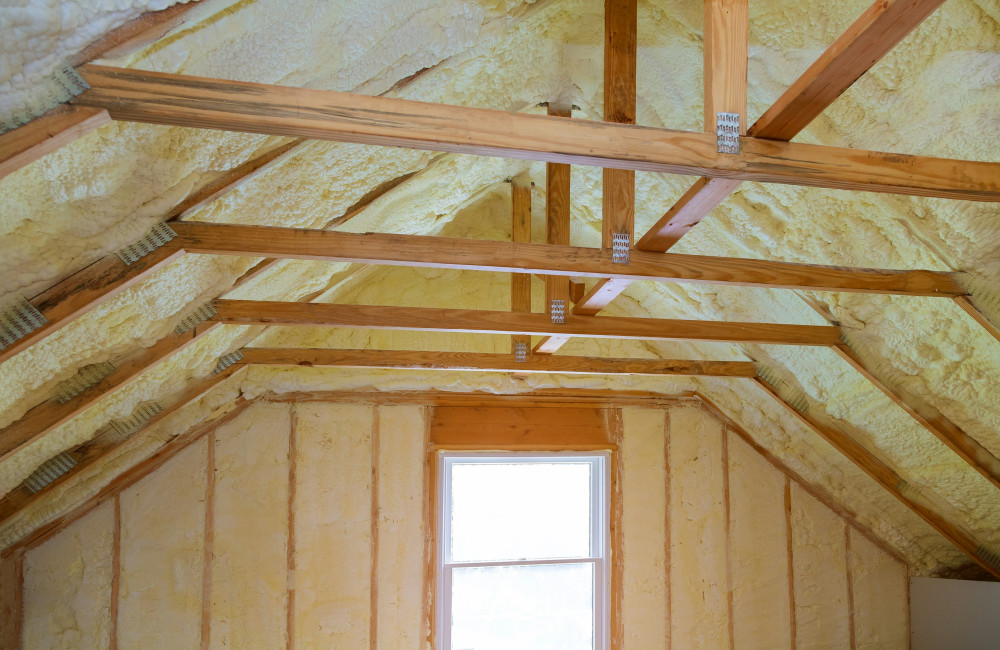
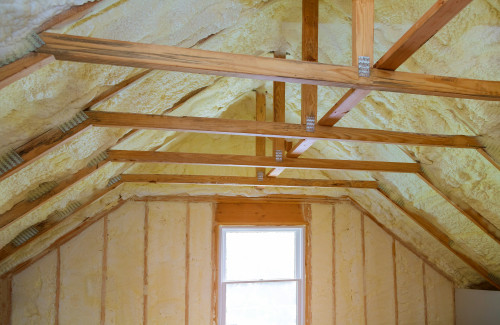
Some insulation materials are less appealing to pests than others. Mineral wool and stone wool, for example, are difficult for rodents to nest in. Certain natural materials, such as sheep’s wool treated with lanolin or cellulose insulation with added mineral salts, can also deter insects and rodents.
If you’re upgrading or replacing insulation, it’s worth choosing a product that offers both good thermal performance and pest resistance.
Keep your loft clean and dry
A cluttered loft full of cardboard boxes, fabrics and old furniture is a paradise for pests. Keep the area tidy and store items in sealed plastic containers rather than cardboard. Ensure good ventilation to prevent damp, as moisture attracts insects and can damage insulation.
Avoid storing food or bird seed near the loft hatch – even small amounts can draw in rodents.
What to do if pests have already moved in
If you notice signs of pests, act quickly. Identify what type of animal you’re dealing with, as this determines the best approach.
- Mice and rats can be controlled with traps or bait, but always follow safety guidelines and local regulations.
- Squirrels are protected under UK law, so you must not harm them. Instead, locate and seal their entry points once they’ve left, or contact a professional pest controller.
- Insects can often be managed through cleaning, drying out the area and using appropriate insecticides if necessary.
After treatment, remove any damaged insulation and clean the area thoroughly to eliminate odours and bacteria that could attract new pests.
When to call a professional
Sometimes it’s difficult to assess the extent of an infestation or to locate entry points. A qualified pest control specialist can identify the species involved, recommend safe and effective solutions, and help prevent future problems. Professional help can save you time, money and stress in the long run.
A healthy loft means a healthy home
A well-insulated, pest-free loft not only keeps your home warm and energy-efficient but also protects it from odours, damp and structural damage. With regular inspections, good maintenance and a few preventative measures, you can ensure your loft remains a safe, comfortable space – for you, not for pests.
Læs også: